The great problem of Bhaarathavarsha historically and the Vaidhikaarya Janatha (the Vedic Indian Ethnic-Nation) particularly, has been an all-or-nothing approach politically and economically. Due to the poisonous virus of vakra-buddhi chaanakyanism, petty revenge and local competition matter more than national and vidharmic threats. Forget small adharmis, the chaanakyan vakra buddhi can ally with a vidharmi to wipe out his local foe, get praised as “[j]eenius”—then cry “betrayal!” when the crocodile eats him next.
The concept of collective defence gets wiped out when moronic ministers (exempted from consequences like mrthyudhand) monopolise power and try to dictate to kings. But the best moves for collective defence were managed by kings and in particular kshathriya kings. The best known was the Rajput Confederacy of Rana Sanga that almost defeated Babur at Khanua. But preceding that was the Confederacy of the North organised by Jayapala Shahi and included the kings of the Pratihara, Chandella, and Paramara dynasties. Another Rajput Confederacy famously defeated the Ghorids at Bahraich, but then squabbled at the siege to retake Lahore. They left it unliberated due to the question of who gets the spoils of war.
And that leads to the next problem in the Vaidhika Samaaj, Vedic Indian Nation (Bhaarathaja/Vaidhikaarya), and Bhaaratheeya Sabhyatha (Indic Civilization): Lack of Subsidiarity. This all-or-nothing, me against the world, master or slave mentality is what is destroying the right kind of collaboration, internal collaboration. Meanwhile external collaboration, more properly termed collusion/colluder, is praised as “wily”, like Samajwadi Amar Singh. Either everyone blames only 1 caste (Brahmins) or only every other caste (Non-brahmins). A true leader will seek the objective truth and form any plan around it and civilizational interests, rather than just assumptions and caste interests.
Subsidiarity
Know yourself and know your shathru, this is how kshatriyas and other protectors of the populace must operate. Subjects may be from whatever ethnicity or religion, but nationality (the original ethnic nationality) is rooted in this common identity based on tribe. Bhaaratheeyas today have no sense of themselves. The ones that do are silly separatists. The problem is the ones that don’t are the single biggest dolts on the planet: Vaidhikaarya Janatha. This ethnicity consists of castes (misnomer: jaathi, which means race) that operate as nation-within-nation, which ally with other nations against their own nation. So asinine is the societal leadership that the political leadership of Bhaaratha Ganaraajya has double the trouble of any other nation. It’s own ethnicity routinely seeks to drag it down for petty caste interests.
That is the importance of subsidiarity. It understands that even if one is not in power, it is better that someone from another caste is, so long as it’s the same ethnicity. Chaanakyan vakra-buddhi does the opposite: it allies with foreign invader ethnicities not just as mercenaries but as partners (Parvathaka) dividing territory of own ethnicity. And this mentality must be punished rather than rewarded and praised as “wily” not only by the entire ethnicity, but even by caste brothers. Chhathrapathi Shivaji issued warnings again and again to his caste brothers in the employ of the mughals that they not only would not get the spoils of war after, they would lose their chance to avoid punishment.
And that is the benefit of subsidiarity. Even if one does not have suzerainty or even sovereignty, at least it provide as a place of honour as members of the samraajya. “Yes, you are not the topmost or a privileged partner, but at least you’re a respect member of our endeavour…welcome…speak only when spoken to”. Vakrabuddhis must start to understand this concept rather than honouring enemies and insulting friends (the bhaaratheeya zoomer speciality). Today our zoomers brag about knowing everything about everyone, but they don’t…and worse don’t even properly understand themselves. This will be discussed in greater future detail, but for now, this typology should suffice.
The Territorial Nation-State of India does consist of many ethnicities—there is no doubt—so what of even religion. But it is not in the 10s or 100s. It is closer to 5 or 6 (for reasons to be discussed later) albeit with 1000s of individual castes/tribes. The concept of sub-ethnicity for a Bengali or Telugu has often mentioned, but this is better termed “provinciality” of the Vaidhikaarya Janatha (Vedic India Nation), which is the ethnicity of the 4 Varnas (chaturvarna). Those who don’t practice Vaidhika Dharma, but are otherwise Dharmic are not members of Vaidhika Samaaj but still members of this Vedic Indian Nation (better termed Bhaaratajas). They acknowledge the patriarchal status of Dusyantaputra Bharatha & Jada-Bharatha before him. Beyond them is the Bhaaratheeya Sabhyatha or Mega-ethnos, consisting of confederate ethnicity Bhaaratheeyas (like Naagas) who are still part of the Civilization…and the modern Civilizational State (i.e. territorial nation-state).
Bharatha, Bharathajas (Aaryas), Bhaaratham
Bhaaratheeyaah (Indic) Bhaarathakhanda/Ajanaabha/Naabhivarsha/Bhaarathavarsha
Jambudhveepa—Rose-apple Continent (Mahadhveepa)
So rather than constantly fighting over who is king or emperor—even before the damn horse can get out of the damn stall—it is time for Bhaaratheeyas to understand who they are and organise themselves accordingly. Many people say it must be pradhaan who is the raasthra neta, others who will tout numerous leading candidates: Vijayanagara (Raju Kshathriya Emperor), House of Mewar (Rajput Kshathriya Confederacy King), Maraatha Chhathrapathi (96K Revolutionary Leader), but such positions are often elected (i.e. the Pala dynasty famously elected their Soodhra king) who later became emperor), and better decided once society has a sense of itself. For now, only a coordinator is needed, the rest can determine themselves as follows.
Aristocracy
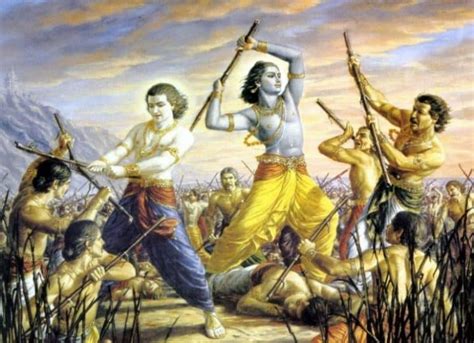
A world where everyone thinks he should be king leads to petty squabbles and petty revenge. Subsidiarity does not preclude hierarchy, but rather prevents mathsya nyaaya (big-fish eats little fish). Even before there is a state to represent a nation or province, a society that has a sense of itself has an hierarchy or aristocracy. European aristocracy is often touted in place of the persianate aristocracy most are familiar with today:
- King of Kingdom
- Viceroy of Viceregalty
- Duke of Duchy
- Viscount of County
- Baron of Barony
- Knight-Gentleman/Esquire of Estate
- Chieftain of Tribe
- Leader of Clan
- Patriarch of Dynastic Family
Many of these are already decided. Though the Princely States acceded to the Republic of India and their privy purses abolished, the Princes/Kings/Ranas/Rais/Raajas are all still coronated & invested with royal powers. So that is easy enough. Some of them still maintain an internal hierarchy. But even these have been corrupted with persianised/anglicised terms over time. The proper Sanskrit versions are required for full membership into Vaidhika Samaaja’s leadership council.
Spiritual/Religious affairs will naturally be decided by Braahmanas in a separate committee, but the leadership council is naturally to be Kshathriya Raajas/ or placeholders. Historically, the Raaja Rathnin decided the next king, typical based on primogeniture, unless elected by the Praja Samithi. The traditional gems were as follows: Mahishi, Kshathri, Sootha, Bhaagadugha, Sangraheethri, Akshavapa, Jeevagreeba. In the future, the hierarchy might look like this:
- Raaja—King
- Raaja Rathnin—Royal Elders (Vamsa Vrddha, Paalagala, Govikartha, Purohith, Senaadhi)
- Raaja Sabha—King’s Court
- Manthri Parishadh—Ministerial Cabinet
- Raashtra Vidhatha—State Executive Conclave
- Praja Samithi—Citizen Conclave
- Kantaka Sodhana—State Administrative Court
Of course, ancient India also had republics. These were not the Democratic Republics of today, but rather, were Aristocratic Republics like the Vrjjis, which limited Representatives to the Kshathriya class. They would look as follows:
“As to their role in the republican governments of this period, it has been rightly said that the ‘ruling assembly in the Samgha-gana consisted of a ksatriya aristocracy ranking higher in the social scale than the brahmanas and the gahapatis, not to speak of inferior classes.” [4, 118]
- Ganaraajya—Republic
- Santhagaara—Assembly House
- Ganastha Varga—Presidential Council
- Kshathriya Sansadh—Assembly of Nobles/Aristocratic Legislature
- Praja Sansadh—Assembly of Commons
- Sainya Pramukha/Seema Vaapatham/Vyaaprtha—Military Governor
- Pramukha—Provincial Governor
- Visayapathi/Naayaka—Territorial Governor/District Commander
The Ganastha (President) was often referred to as Ganadhaasa, literally ‘Servant of the People’. Ergo, this idea of ‘First among Equals” must be inculcated in the citizenry, rather than mere master-slave mentality. The base unit of the subsidiarity, however, is the family (kutumbha), which produces candidates for the various positions.
Surya Mahavamsa→Chola Vamsa→Karikala Kula→Kakatiya Garha→Ganabhupala Aavali
- Dynasty: Lineal descendant of common ancestor of high status. Group of royal clans.
- Clan: Common branch within a dynasty, from common ancestor. Group of families.
- House: Garha. Section of a clan, typically attached to a geography.
- Lineage: Aavali. Common notable ancestor, from direct line.
- Family: Direct relative of the Ruling Potentate. Common lineage. Usually receives allowance.
Lost in today’s bindaas-buffoon-biradar culture is the sense of proportionality & common sense. Someone in competition today, might be your friend tomorrow. A tributary state is not a mere peon or officer to insult and kick around. And even a janitor can be treated with basic decency. Any future leader or emperor, must bear this in mind.
Hierarchy
Officer, Vassal, Feudatory, Tributary, Subsidiary, Ally, Neutral, Rival, Opponent, Adversary, Enemy
Officer: Direct employee of Potentate. Is not owed tax, but receives salary + benefits.Land retiree.
Vassal: Direct feudal subordinate owing allegiance to potentate.Collects tax, & owes share of tax.Fief
Feudatory: Subordinate ruler in Empire but outside internal hierarchy. Owes annual tribute & homage.
Tributary: Subordinate ruler outside Empire,but in Imperial system 1-off/annual tribute/token homage
Subsidiary: Ruler in influence sphere, paying subsidies(ransom, but no homage), may permit bases.
Ally: Treaty or agreement bound ruler who provides & receives aid. May be inferior, equal, superior.
Partner: Participant that is circumstantially or situationally aligned due to common specific interests.
Friend: Overtly sympathetic & friendly ruler. May or may not provide aid. On mutually beneficial terms.
Neutral: Overtly non-hostile ruler.Neither friend nor enemy. Unknown nature and intentions.
Rival: Fellow competitor in a small or large competition. May be useful or friendly in larger conflict.
Opponent: Immediate foe in competition or immediate conflict. Maybe useful/friendly in future conflict.
Adversary: Covertly Hostile ruler. May not be in open conflict but personally averse to state.
Enemy: Openly hostile ruler & inveterate foe. Systematically opposed,conflicting & averse to state.
- Officer is directly within the government hierarchy though is not always a government officer. The highest officer is typically the Chancellor/Prime Minister. Other government officers include Viceroys and Governors (Pramukhas) down to Magistrates and Police Officers. Beneath them are mere government employees of differing capacities. An officer has a badge & salary, an official is any representative of the government invested with formal signs of authority (i.e.commission, certification, etc).
- Vassal is directly within the military hierarchy with superior officers in chain-of-command. Required to pay annual tax and furnish levied troops. Vassal can expect central officials and direct orders from liege-lord. A vassal may be given some autonomy but is never fully sovereign. He is rewarded for loyal service. No unauthorised diplomatic relations. Fiefdom to be generationally renewed.
- Feudatory may have a military governor and/or viceroy presiding over subordinate ruler. A feudatory has sovereignty but not suzerainty as local cases may be referred to suzerain as are taxes. Suzerain may interfere in other aspects of feudatory kingdom and periodically require troop contributions and homage at court. Military governor stationed, but few if any central officials. Part of the empire and is rewarded for loyal service. No unauthorised diplomatic relations. Subordinate constituent-Member.
- Tributary is not considered as a vassal of the empire or its officers, but is within in the wider imperial system and makes overt payments of tribute and possibly even pays homage at court, directly or via representative. The tributary might receive titles, gifts, and other privileges at court, but is typically not to be consulted on internal matters or interfered with regarding tributary’s internal matters. Mild gestures of subordinate loyalty, accepting troop basing, giving right-of-passage, & surrender of peripheral forts may be expected. Diplomatic relations may be subject to review, and permission may be required for campaigns. Seen as affiliate, but not Constituent-Member of Empire.
- Subsidiary is typically within the sphere of influence, although is not within the overt hierarchy of the imperial system. It is a protectorate or a defeated ruler not wanting to pay homage & may give subsidies (ransom payments) in lieu of overt tribute payments (propaganda claims may differ). A subsidiary may also accept the basing of patron’s troops in a non-obstructive location or a few locations or case-by-case right-of-passage. Diplomatic relations may be subject to review. Sometimes joint protectorates are recognised to serve as a buffer state between two major powers.
A vassal king will also have a reduced Manthri Parishadh. The reason for this is because unlike a tributary or a subsidiary, a vassal (like a feudal baron) will not have independent diplomatic relations with other countries. He also may or may not be accorded the right to retain an independent army, though he may be required to furnish troops from the palace guard or feudal levy. His pared down government might look as follows (in line with the Vedic titles): bhagadugha (chancellor), sangraheetri (treasurer), akshapatalikaa (CAG), lipika (scribe), and aganthu manthri (visitation minister).
A vassal will not maintain embassies other than a residence for the Viceroy or military governor of his suzerain, and aaraamas (guest houses) and praasaadhas (ateliers) for visiting dignitaries or foreigners. He has no need for a gaveshana manthrin either, but will have his own vamsaaraksha samnireeksha mukhya (rahasyadhikrtha), for surveillance of all national and international visitors—including ports and merchant ships. The Vamsaaraksha Senaani is also his reporting general and will maintain whatever infantry and cavalry guard that is permitted for the royal family (vilaasa lagnaka under the manothr) and realm (vamsaaraksha under bhagadugha).
As for palace, he would have a kshatthri/dhvaarapaala(chamberlain) & manothr (palace commandant).
Imperial Structure

- Saamraaja/Samraat—Emperor
- Uparaaja/Bhukthipaala—Viceroy/Vicereigne (Central Salary): Reports, resolve disputes, enforce tax
- Vaapatham/Senapramukha—Territorial/Military Governor(establishes order, ad hoc admin)
- Pramukha—Provincial Governor(40% to centre).Impose mrthyudhand,raise levies,enforce tax,preserve order.
- Rauta-raaja—Feudatory(20% + Suzerainty homage).Ruler,but foreign policy, troops, trade per Centre
- Saamantha-raaja—Vassal King(25%).Token ruler as per Centre.Raise levies,enforce tax,preserve order.
- Mahamandaleshvara—Vassal Duke(33%). Noble non-sovereign. Raise levies,enforce tax,preserve order.
- Visayapaala/Naayaka—Vassal Baron/Commander(40%).Non-sovereign. Raise levies,enforce tax,preserve order
- Mandaleshvara—Vassal Viscount/Major (50%). Enforce tax, preserve order
- Kampaneshvara—Vassal Gentry/Lieutenant (50%). Preserve order.
- Bhrthya—Royal Officer or Servant-of-Rank. Direct employee, no fiefdom. Land on retirement.
- Krshaka—Tiller (1/6th or ~20%)
Sanaddha—Imperial Member/Partner/Confederate (Official salute, insignia, retinue. % of Campaign Spoils)
- Raajanya—Imperial/Royal, inducted into Official Hierarchy, ~Imperial Commission. Pays homage
- Saamantha—Vassal King/Aristocrat (namesake sovereignty. Pays homage & 25%)
- Rauta—Feudatory King (sovereign but not autonomous. Pays personal homage & 20%)
- Upahaaraka—Tributary (autonomous sovereign but not suzerain. 1 time or 5-10% annual tribute)
- Upahaara—Tribute (token/written homage to Suzerain/Paramountcy)
- Gaunatha—Subsidiary (Basing/Unbasing Expense)
- Gauna—Subsidy (Officially Unbowed, but token or 1% Payment to prevent invasion/vassalisation)
- Mithra—Ally
- Udhaasin—Neutral
- Uthsanga/Upaayana/Dhathham—Gift
Society/Nation/State/Civilization
Before a full fledged state or nation can be declared as Vaidhika or Dhaarmika, a society has to be formed. Indeed Bhaaratheeya Dhaarmika Raashtra (Indic Dharmic State) is distinct from a Hindu Raasthra (alleged “Hindu Nation” as defined by RSS same dna-wallahs). A Bhaaratheeya Dhaarmika Raashtra understands the difference between territorial nations and ethnic nations, and has space for several ethnic-nationalities within the Bhaaratheeya Dhaarmika Civilizational Polity (Be it republic, democracy, or monarchy). An ethnic nation (janatha) consists of disparate societies (samaajas) and tribes (vis). Disparate tribes consist of different clans (kulas), kutumbhas (families), and vamsas (dynasties).
Therefore, Vaidhika Samaaja needs to get its act together as does wider Bhaarathaja/Aarya Samaaja, as does Bhaaratheeya Sabhayatha (which has room for multiple nations within the civilization).
- Nisristhaartha—Plenipotentiary
- Parimithaartha—Charge d’affaires
- Sthaleshvara—March Chief/Marquesate/Marquis
- Vispathi—Count/County Leader
- Adheesa—Chief/Leader
- Abhijaatha—Nobleman/Aristocrat
- Ashvaroha—Cavalier
- Adhorana—Squire
- Arohaka—Expert rider
- Yavashaka/Aupacharikaa—Feeder/Groomer
- Sthana—Stall
- Sthaana—Place
In a proper Vaidhika Raajya, Braahmanas have no role in politics (raajaneethi). Brahmin Amaathyas are mere mati-sacheevas. Unlike ministers who are karma-sacheevas, amaathyas have no department or executive or veto power, but merely advisory status. They did have influence, but not power in government (prabhuthva) or administration (prasaasana). They merely should state rajadharma & inspire spirituality by example. No suo motu or veto power. Any samaaja naturally might have a committee for braahmanas to decide spiritual/religious matters, but the political leadership is with the kshathriyas or their placeholders. That is the importance of understanding subsidiarity.
Kulachaarya (no such thing as “rajguru”, not court resident), Purohitha (no decision-making), Nyaayamaathya (justice councillor), Praadvivaaka/Dharmastha (no suo motu/veto), Aasthana Vidhvaan (court scholar, mere courtier)
Just as subsidiarity means understanding only Braahmanas are authorised to give Veda Adhyaapana, it also means respecting the roles of other varnas. After all, “it is better to do one’s own dharma poorly than another’s skilfully”. Braahmanas in a Vedic nation who earnestly desire to be warriors, commanders, governors, and rulers must initiate as Kshathriyas.
Dharmic Imperialism, Exploration & Settlement

A subset of subsidiarity is understanding once we have a sense of self and “us”, then how do “we” interact with the “other”. Racist-colonisers from Europe established actual caste-systems based on race wherever they went (all the more reason to destroy the adharmic jaathi vyavastha with Vaidhika Samaaja properly understanding Varna…Ashrama…Dharma).
An egalitarian utopia with humanity jointly exploring space was once the dream that motivated the post-modern world. With tribalism and racism rearing their ugly heads, Bhaaratheeyas (of all nationalities) in general, and Vaidhikaaryas in particular need to get their heads on straight. Petty arguments, one upsmaniship, and schadenfreude are the path of eunuchs and the all-too-numerous court eunuchs. It is time for real men to stand up and determine how to interact with the “other”, be they friendly, neutral, or enemy. And to do that, one must understand terminology.
Terminology
- Nakaasa—Map
- Mathsya Yanthra—Compass
- Naava Yanthra—Navigational Instruments
- Bhoomi/Aadhesa—Theatre/Command (A: N, E, S, W, NE, NW; N: EO, WO, FE, FW; A: Aerospace)
- Bhu-senaani—General-of-Command. Supercedes Viceroy military command unless Royal countermand.
- Sainya-pramukha/Vaapatham—Military Governor
- Upapramukha— Lieutenant Governor
- Dhandanaayaka—Prefect
- Pradhesthr—Magistrate
- Adhikaarin—Official
- Karagrahin—Collector
- Shreekarana—Secretary
- Ganana—Numismatist/Census-taker
- Pramaathri—Surveyor
- Pathrakaara—Gazetteer/Reporter
- Thalavara—Watchman
- Sahanivaasin—Settler
- Upanivaasin—Colonist
- Dhrupanivaasin—Coloniser/Piratical Invader
- Upakaara—Tool/Instrument
- Yaana— Expedition
- Aayana—Vehicle
Bhukthi (Bhokthr)→Desa(Vaapatham/Senapramukha)→Seema(Dhandanaayaka)→Visaya(Naayaka)→Mandala(Pradesthr)→Kampana(Adhikaari)
- Bhukthi Vilaasa—Vice-Regal Palace
- Pramukha Bhavana—Governor’s Mansion
- Naayaka Nivaasam—Prefect Residence
- Pradhesthr Grha—Magistrate House
- Sachivaalaya—Secretariat
- Akshapatala—House of Records
- Lekhagaara—Archive
- Praacheera —Enclosure
- Upaashraya—Rest-house
- Aashraya/Nivaatha—Refuge
- Sthaathra—Station
- Nisthaana—Base
- Shivira/Paksha—Camp
- Skandhavaara— Outpost/Wood Enclosure
- Dhurga/Kota —Fort (Giri, Vana, Jala)
- Dhronamukha—Castle/Fortified town/River Township
- Puraya— Citadel
- Vahinimukha/Vahimukha— Fortress
Dharmic Exploration
Exploration, Expansion and Conquest (whether military or economic) unfortunately remains the way of the world. While having the luxury of settling new and uninhabited lands remains the dream of discoverers and explorers, the world (barring the Arctic & Antarctic) has been well-settled for well-nigh a 1000+ years. This then catalyses the question of whether there is a dharmic way to explore and expand. The answer is while non-violence and contentment with one’s own territory is best, those set on conquest are expected to uphold standards of dharmic Kingship. Colonialism and even the high-imperialism of the Romans were highly murderous and what modern humans would call “barbarous”. Even the Greeks and Assyrians were known for unthinkable cruelty and penchant to chattel-enslave hapless inhabitants. The less said about the british and other Western European colonisers the better.
Although their exploration with pre-modern instruments and navigation was impressive (and certainly something for Europeans to take pride in) their subsequent conduct and rapacious loot, starving, and de-industrialising of India and other lands was not. The human experiments with chemical & biological warfare should also be noted as should the colonial human trafficking (indentured servitude) & drug-running (opium). The efficient mass industry stood in contrast to the cottage industries in India and other parts of the world, which were were not the true industrialisation and mechanisation of the early modern West, but somewhere in between village industries and 19th century factories. It must be noted that small manufacturies (karmaantha) and their managers (kaarmaanthika) did exist.
As such, it is important to note that Exploration & Settling an untouched land with colonies is not the same as Colonialism, which involves forcibly colonising an already settled land, and wiping out people/converting a people’s culture. Colonialism is bad and is fundamentally different from (dare I say it) ethical Imperialism. An empire can seek to defeat & subjugate a kingdom/polity while leaving a native prince as tributary or vassal. The inhabitants and their way of life—by and large—should be left alone. Even imperialist mercantilism should be limited in impact—it is the reasonable (or token) tribute from the local ruler that matter more along with diplomatic control. Colonialism aims to uproot the local nobility and transplant its own through whatever means. Neo-Colonialism uses financial methods for a similar objective.
Dharmic Settlement

If an island or tract of land is uninhabitated, an explorer may claim it in the name of his sovereign or sovereignty by planting his dhvaja (flag). If 2 external forces are competing over the same uninhabited tract of land, with their own colonists/settlers, non-combatants cannot be slain (though they can be imprisoned & returned to own people). While brand new settlements as well as military installations of any age can be destroyed, established towns and villages (especially of local inhabitants/tribals) should not be destroyed. Constructing coastal colonies or brand new colonies on uninhabited land (upanivasana) is not the same as cruel, genocidal, extractive colonialism (dhrupanivasana).
If an island, country, or tract of land is inhabited, the explorer should respect the local claims (this is presently done by the Republic of India with the Sentinelese). If he is a representative of an imperial sovereign, he may request or demand an audience from local leadership. Beyond requests, or later demands for a port or limited coastal or inland fortress, the explorer/sovereign should not disturb the local population. If denied, the port request can only be demanded on threat of force if there is pressing military need on account of rival empires. If the island is inhabited by forest/tribal people (i.e. girijanas/vanavaasis), they should be left alone, with interaction limited to trade or barter of goods and knowledge. Any requests to mine resources should compensate the local population with land suitable for farming, hunting, and healthy settlement elsewhere.
Forcible displacement of natives should not take place, nor should any displacement without due compensation and settlement elsewhere.
If the local population is recalcitrantly hostile, the island/tract should be abandoned or simply limited to coastal fortification and nearby outposts/mines—leaving the tribals/natives otherwise untouched. If explorer’s entourage or subordinates are captured and tortured, punitive but proportional retaliation may take place, followed by orderly strategic retreat to fortification or abandonment of “colony”. Explorer should then search for an alternate site or limit himself to a reasonable-sized military fortification.
Demands for (reasonable) tribute and port access can be made upon settled communities. Defeated sovereigns should either be reinstated or otherwise replaced with a more pliable local. If the explorer is himself requested to become sovereign, he must only accept once permission is granted from his commanding home officer. Other than request/demand for military cantonment or fortified enclave, explorer should not demand the building of exclusive/segregated cities in the middle of someone else’s country. Cantonment/enclave population should keep to themselves & their designated localities, and behave with proper etiquette amidst the natives. A place might be for “your people” only, but drinking water & other facilities can always be arranged for foreign or local stragglers.
Dharmic Imperialism
The Vijigishu has historically been limited to the 5 Indies in conquest. Even at maximum extent, claims were limited to the Yavanasthaana or as far as Vankshu (Oxus) and Brahmadesa (Burma) for token tribute and subordination. Although in later periods colonies were established in the islands of South East Asia, the interaction was more symbiotic than parasitic, with the local nobility typically being respected (not replaced), whatever the nature of requested intermarriage. The reason for this is to minimise interaction between Vedic and non-Vedic peoples. The Vedic way of life (particularly that of the Vedic braahmana) is so strict & rigid for outsiders to contend with, that people-to-people contact (even with other Dharmics) was historically inadvisable (particularly in the hinterland of Bhaarathavarsha).
Royal-to-Royal and Merchant-to-Merchant contacts, however, were encouraged. International academies & colleges should be limited to frontier cities (like Thakshasila) and residential complexes for foreigners limited to port cities, royal capitals, and designated major spiritual towns. Finally, refugees should again be limited to border towns, port cities, and royal capitals. The rebellion of the refugee rohingyas of the present (and pushyamithras of the past) should be all-to-illustrative here.
That is why even Empire-building and imperialism should observe basic Dharma. Without it, displaced populations will seek to become refugees (and possibly rulers) in Vedic lands. Furthermore, even the settlement of non-Vedic/Yavana fellow Bhaaratheeya from Gandhara & Kambhoja could have a negative effect on Vaidikas. Though permitted in times of trial and barbarian invasion, rather than intermarry (as they did with Saraswat & Kashmiri Pandiths), they should be expected to return once their native desas are freed. One can be a practicioner of Sanaathana Dharma (Hinduism) without being a member of Vaidhika Dharma (Vedic Dharma).
If a dubious lineage of Braahmanas or Kshathriyas is established, Vaidhika culture itself becomes at risk for contamination by false-teaching and even kapalika asuropaasana (as it was in late antiquity). Many in this day masquerade as “Taantrik reeshees” or “pagans“. The point of this is not to create an obsession with pollution and ritualism or bigotry against foreigners. Rather, it is to explain that not all foreigners are benign, most are questionable, and some are deceitfully malign (hiding their hostility behind their fanged smiles).
Naïve and benign Braahmanas (as warned by even Kautilya) have time and again taken up the cause of such malevolent foreigners against their own people (even ruling Vaidhika kings) after feigned humility. It is for this reason that politics, strategy, warfare, and diplomacy are best left to Kshathriyas and their lower caste designees (who feel no such paternal affection for foreign fake students or devotees, but only see themselves as father to their own people). Most foreigners should be seen as neutral and restricted to limited access for spiritual, diplomatic, or economic purposes. He/She should be constrained/returned to their native country (or neutral territory) if he/she becomes a nuisance. If he becomes a menace, he can then be punished or extradited. War-captives should be released after a reasonable period of time, and executed or re-purposed only in reciprocity. Chattel-slavery was adharmic, and even Indentures (dhaasas) were to be freed upon violation/crime.
Regardless, a Dharmic (and certainly Vaidhikaarya) Raaja should neither needlessly harm Bhaaratheeya nor non-Bhaaratheeya populations. Imperialism outside the Subcontinent should only take place to prevent foreign invasion and be done so without cruel colonialism in foreign lands. Although world exploration is permitted, military activity outside the subcontinent should take place only for the protection of Dharma and the Welfare of the World itself. A vijigishu is anyways free to build in all the desas with Bhaarathavarsha—be they Yavana or Vaidhikaarya. Outside of the Subcontinent, he should respect the wishes of the locals to the degree possible, and limit himself to enjoying their tribute, and port cities, designated fortifications. Beyond that, only a light footprint in foreign soil is permitted.
If requests for the settlement of dhvijas is made, any braahmanas, kshathriyas, or vaisyas sent should be made to understand that they if they decide to assimilate there, they would lose dhvija status and be seen as Soodhras or even Vraathyas in Aaryasthaana after inter-marriage or willful contamination of Vaidikaarya ways (i.e. consumption of go-maamsa). Braahmanas living and establishing lineages outside of Bhaarathavarsha are no longer braahmanas after a century, but can be seen as vivarshi pandithas. This is what protects the status of veda braahmanas in Bhaarathavarsha.
Conclusion
Subsidiarity (gaunathana) is a concept that is slowly re-entering the global discourse. Its meaning might be altered from context to context, but the essential nature of it remains the same: no system can function if every idiot constantly tries to be king. In fact, there was a famous episode of Star Trek: TOS where Mirror Spock specifically tells old Kirk that he prefers the number 2 position because everyone is constantly trying to kill the captain to replace him. That is the need for subsidiarity. Kingship is not a prize, but a responsibility, burden, and target. Raajadharma must keep this in mind a provide for a support system for the present leader. Should he fall or retire, then who has to step in? And rather than wait to stew in senile dotage, leaders should retire into vanaprastha. Rather than man vs man, Bhaaratheeyas must learn the concept of Zone-Defence.
Indeed, one of the most successful examples of subsidiarity was the Nayankara-system. Evolved by the Chola Emperors, it spread to the Kakatiya Kings whose 77 subordinates (Naayakas) famously revolted and rejoined the confederacy on the ashes of the destroyed kingdom under a Desadeesvara (Regent-Protector of the Country). Even after new kingdoms were established, attempts at dharmic confederations continued with subsidiarity determining who was the right candidate to be leader. This trend received its final echo following the Fall of the Vijayanagara Empire, and the Naayakas who were Viceroys, and later became Kings.
The mental illness of casteism has meant that the top 2 castes have sections today which see themselves as “separate ethnic groups” from other Vaidhika Samaajis, when in actuality, Vedic Indians historically were 1 nation (spread over multiple desas) & are meant to be 1 ethnicity, with provincialities. All this does is question the membership and candidacy of such casteists within the Vaidhikaarya Janatha. If they don’t wish to be “us”, and indeed wish to be a separate “jaathi/i.e. species“, then it is time to bahishkar these jaathivaadhis.
There might be only 1 Samraat, but it is “Our Samraajya” or at least “Our Sabhyatha”. A civilization is often shared even when there are competing (even contradictory! *ahem* diaspora) political loyalties. How to balance in the name of dharma is the essence of Raajadharma. Desa dharma (rather than this nonsensical sangh creation of “rashtr dharm!” is what helps people decide their political loyalty even whilst following the essential dharma.
Bhaaratheeyas themselves having been victims of the most rapacious and extractive colonialism (done under guise of ‘civilization’ & “science”) should be especially averse to the notion of colonialism. Settling uninhabited lands and exploring the world are fine aims for dharmic raajas and senapathis; however, those who have been victims must not become perpetrators. It is one thing to established colonies and another to engage in capitalistic colonialism.
True efforts at liberating an oppressed foreign people involve returning rule to natives within 1 year or 10. After such a time limit, people have to be left to fend for themselves and are either fit for dharmic governance or are not, and should be left to their own devices. Attempts at aggressively “civilising” others often result in bringing out the barbarian in the “civiliser” (of any ethnicity be it “white man’s burden” or “brown man’s burden”). It is for this reason that capacity-building comes not from conquering others, but from teaching them and respecting their autonomy & sovereignty afterwards.
Each nation should have a home. Each man should respect his co-ethnic. Humanity should learn to be humane to humans. But Friends cannot run the familes & homes of others, and should mind their own business in yours. Chaanakyan vakrabuddhis more concerned with destroying local rivals than defeating civilizational foes, have no business in Governance & Administration. That is the essence of subsidiarity.
“The post of envoy of ambassador (duta) was of considerable importance because of ally being an organ of the state. It was laid down that the candidate should belong to the aristocratic family (kulinah) and should be devoted to the duties of a ksatriya (ksatradharmaratah).” [3, 240]
References:
- The Ramayana
- The Mahabharata
- Sharma, Ram Sharan. Aspects of Political Ideas and Institutions in Ancient India. Delhi: MLBD. 1991
- Singh, G.P. Political Thought in Ancient India. New Delhi: DK Printworld. 2005
- Jayaswal, K.P. Hindu Polity: A Constitutional History of India in Hindu Times. Delhi: Chaukhamba Sanskrit Pratishthan. 2005
- Rao, P.R., History and Culture of Andhra Pradesh.Sterling: Delhi.1994.