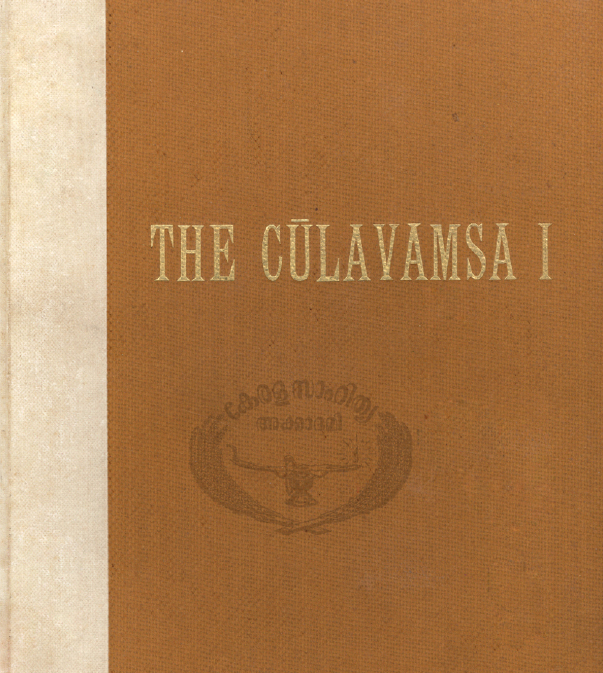
Long time readers might recall our earlier article on the Deepavamsa. This chronicle was the earlier portion of the Mahavamsa, the Great History of the Sinhalese people.
Today’s Post is on the Culavamsa, which is the latter part of this self-same Mahavamsa.
Introduction
The Sinhalese refer to themselves as Seehala, bearing the heavy influence of the Pali language. They nevertheless trace their origins to Eastern India, specifically Bengal. Though they frequently inter-married with the Royalty of Madurai (especially the Pandya Dynasty), at key points, they also received princesses from the Kalinga Kingdom as Royal Consorts.
Thus, while the Sinhalese are their own distinct janatha (ethnic-nation), they clearly draw from 4 provincial strands of India, namely Bengal, Kalinga, Dramila (Dravida), and Trilinga desa. To only assignate 1 is to misunderstand the complexity and distinctiveness of the recipient population. The Sinhalese are their own people, but clearly acknowledged and sought out connection with Indic Civilization for most of their history. Much like the Bharathaja (Vaidhikaarya) Janatha is spread out over multiple (pra)desas, the Sinhalese Janatha was spread out over 3 desas (Dhakkinadesa (south), Malayadesa (central), and Uttaradesa (north)). A nation (as ethnos) can often be spread out over multiple countries, and before the advent of the nation-state, typically was.
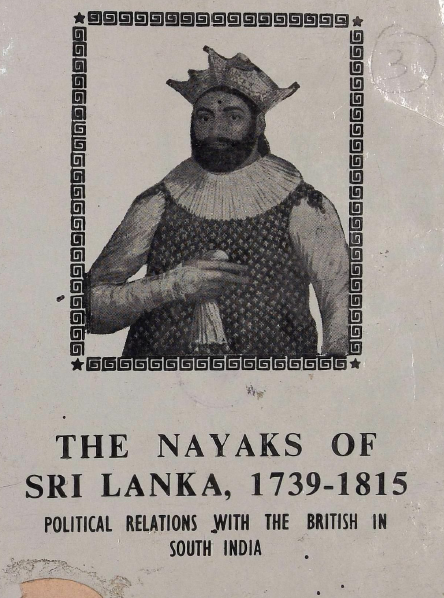
It is for this reason that one often sees bitter nation-state foes like Holland, Spain, France, and England engage in vicious internecine warfare, but easily unite against common threats—or outsiders to their country club. While they remain ever cogniscent of their common teutonic ethnos (misnomer: race), Bharathaja imbeciles would rather idle their time in fratricidal battle, uniting with common enemies (to play “impartial” arbiter, no doubt). Throughout history Bharathajas have played security guarantor to Sinhaladhveepa, since the days of Devanampriya Ashoka Maurya and Devanampiya Tissa. Indeed, the last Indic Kings of Sri Lanka were the Telugu Nayak Dynasty of Kandy.
The Madurai Nayak was Viceroy of the South and frequently warred with the Portuguese on behalf of the Sinhalese kings. The Emperors of Vijayanagara were the Imperial Overlords to both.
Author
Unlike the Dheepavamsa, the Culavamsa (Choolavamsa) spans multiple authors over multiple periods. Indeed, it may veritably be seen as the Royal Court History of the Kings of Sinhala.
The authors refer to their own nationality as “Seehala” and the various provincialities of India (be it Karnaata, Kerala, Kalinga, or Dramila) as “Aariya“—again validating the Vaidhikaarya thesis.
Mentions of famous figures such as Buddhaghosa and Dharmakeerthi are also illustrative.
Composition
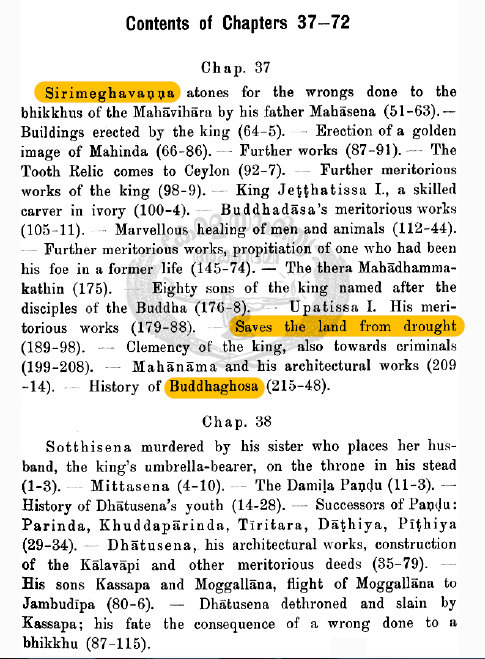
The first part of the Choolavamsa starts from Chapter 37 and runs through Chapter 79. In effect, it picks up from whence the Dheepavamsa (earlier part of the Mahavamsa) leaves off. Like its predecessor, it too is written in the sacred language of the Bauddhas, that is Paali. It concludes with Chapter 101.
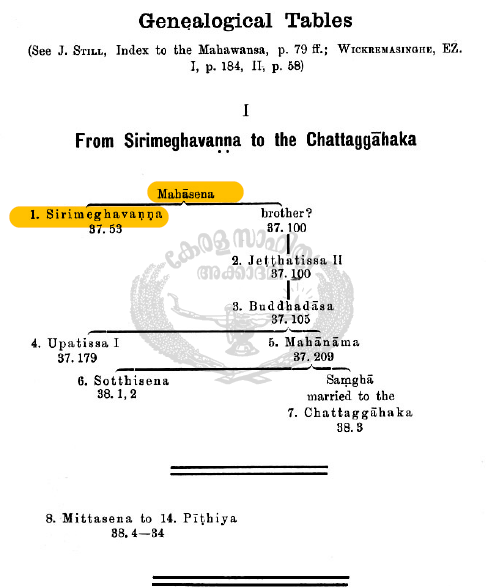
It runs through key episodes of the island since the days of Duttagaaamani, and focuses mainly on Paraakramabaahu I, discusses the scourge of the Keralaputras under Kalingan conqueror Megha, and provides insight into the piratical portuguese and avaricious Dutch.
English translators have found this work to be in conformation with the conventions of Indic Niti Saasthra. A monarchy, the Sinhalese polity was frequently sub-divided under its princes (dubbed Aadhipaadha, and especially Yuvaraaja (Mahaadhipaadha). Nevertheless, this Chronicle of Kings clearly shows how intrigue-plagued this ought-to-have-been happy island was. Time-and-again, during the most crucial moments would even the greatest of Sinhala kings be challenged or slain in cowardly manner. Even the ever-slothful Sangha of Sri Lanka would oft-conspire against noble kings chastising it for decay and sensuality. It is little wonder that Sri Lanka fell despite the doughty opposition of some of its better kings. Kingdoms are more frequently conquered from within than without.
Some of the crueler episodes such as that of Megha or Vikramaraajasimha need be more closely studied. Much has been inflated by raconteurs rather than the text of the Choolavamsa itself. It should be noted that there are various corruptions in the main manuscript as well omissions. The invariable “speculative reconstructions” of Western historians necessitate managing claims with a grain of salt—which was a most in demand commodity on the kingdom of Kandy.
Lastly, several mentions of invasions by the Jaavakas (a.k.a. Javans of Indonesia, indicate that invasions and cultural projections were not always one way into South-East Asia from the Subcontinent). That the Sinhalese were alert to and successful in stymie-ing these intrusions is illustrative for Indic posterity, of either nation (be it “Seehala” or “Aariya”).
Selections
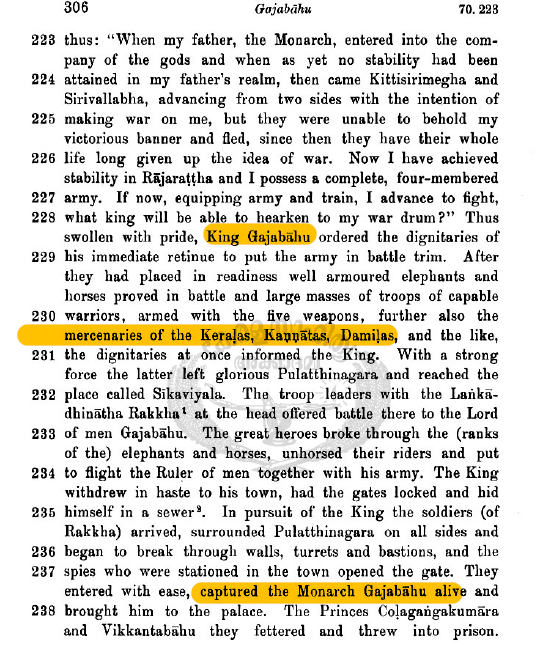
Today, the illegitimate children of Caldwell presume that Dravida refers to all 4 language regions of the South. As the Choolavamsa shows time and again, Dravida (Dramila) clearly refers to Tamils only. Indeed, in the latter period, the Karnaatas and Trilingas are not only mentioned separately, but even “the Keralas“. Finally, traditional scholars have long asserted that Telugu is Vikriti (that is, a combination of Sanskrit & Prakrit—and thus—not a “Dravidian Language”). It is possible to respect one’s own language (i.e. Tamil) while learning to respect the heritage of others—based on non-colonial sources, of course.
§
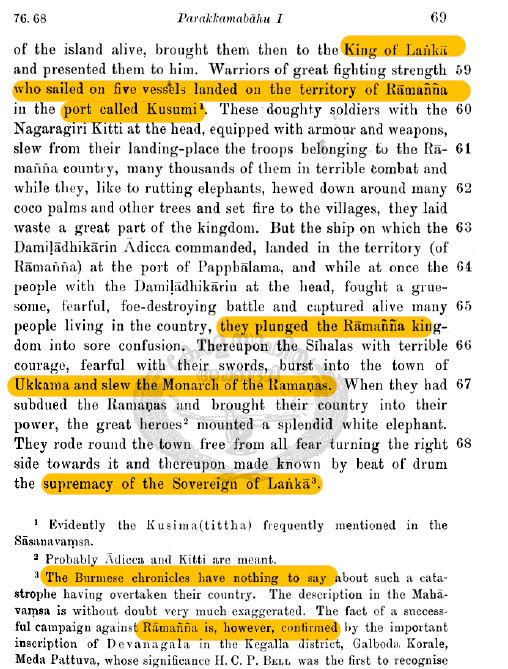
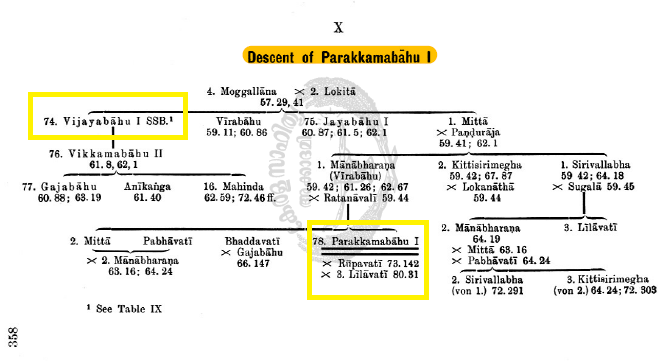
The 3 great kings of the Sinhalas were Devanampiya Tissa, Duttagaamini, and greatest of all, Paraakramabaahu I. True to his name, Paraakramabaahu led a valorous life, first quelling rebellions in Sri Lanka, before coming to the aid of the Pandya king against the Cholas. He rounded out this successful campaign by defeating the king of Burma (kingdom of Raamanna/Pegu), marking the high-water mark of Sinhalese imperialism. The Siamese (Samindas) are also mentioned. So notable was his reign that there are multiple chapters about him in the Choolavamsa.
§
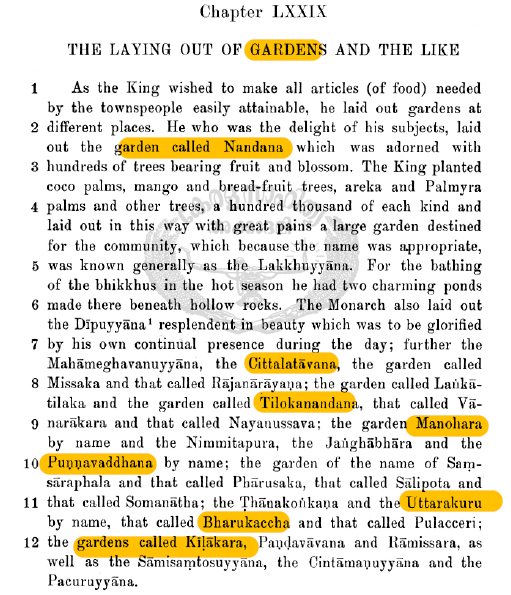
Constructing water tanks, building Stupas and planting bodhi trees had long been a sacred tradition on Lanka. In keeping with the practice dating back to Raavana’s Ashokavana, King Paraakramabaahu is credited with many a beautiful garden:
§
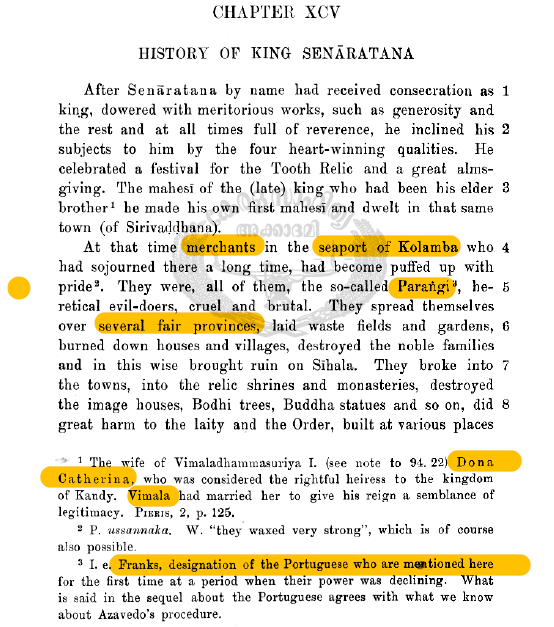
The history of the Sinhalese polity can be summarised as periodic subsidiary unity, occasional invasion, and retreat to refuge of Rohana. In this manner, Sri Lanka has for much of its history evaded foreign rule. Though foreign domination under the Dutch (Olandas) and portuguese (parangis) became logistically inevitable, the fire of resistance remained in the heart of the islanders, throughout their upheavals. Incidentally, both along with the english (Ingireesi) are mentioned in this chronicle, giving us rare insight into native views of conflict with invaders.
§
Conclusion
The Manuscript of the Choolavamsa remains today a celebrated relic of the national heritage of Sri Lanka. It is not a mere bland recitation of historical events, but a treasure-trove of Sinhalese cultural practices. Some are distinct, but many others show signs of its influence from the North (colloquially termed, ‘Jambudipa’).
Titles such as Raajan, Yuvaraaja, and even Uparaaja all show signs of influence from India. However, the distinct system of Aadhipaadhas and Adhikaarins (later Adigars) also shows local innovation. Perhaps most significantly in contrast to medieval and modern India, stands the influence of the Buddhist Sangha. Despite its all pervasive presence, it coexisted with the small portion of Braahmanas that occasionally served as Purohitha of the Royal Court at Anuradhapura. No doubt this was testament to the influence of the Hindu Queens of the Sinhalese Kings, who often hailed from deeply Vaidhika lands like Madurai, Thanjavur, and even Kalinga.
Nevertheless, the Choolavamsa has a number of faults. The plethora of authors, the near absence of any mention of date/eras, and the meandering language, and demonstrate and imprecise approach to history. The change of capital from Anuradhapura to Sigiriya to Kandy glossed over without lucidity. The fact that its widespread knowledge and publication has been primarily via colonial sources, necessitates taking much of it, or at least its translation, with a grain of salt. The english translator himself asserts that the manuscript is corrupt at a number of places, rendering an imprecise equivalence in language. [1, 295]
The best lies, they say, contain a grain of truth. The best archaeologists and translators (Western Academecians) are past (and present) masters of this. While they should be commended for their curiosity, methodical approach, collaborative references (*ahem* Bhaaratheeyas…), and plentiful printing, their agenda-driven approach to academics must also be duly noted.
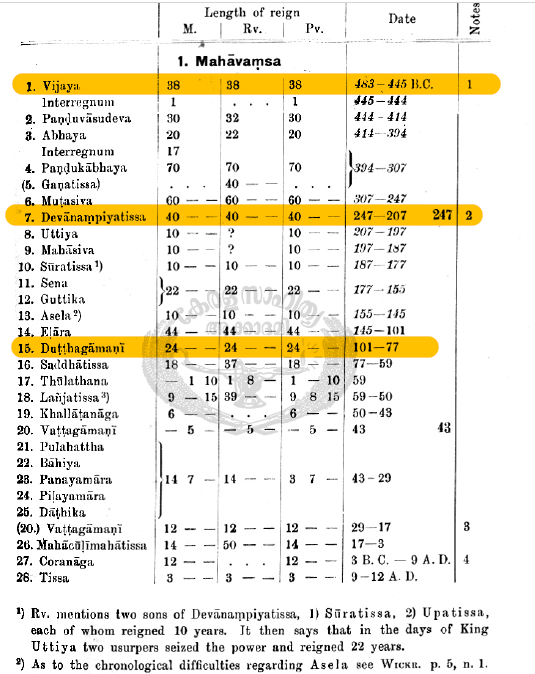
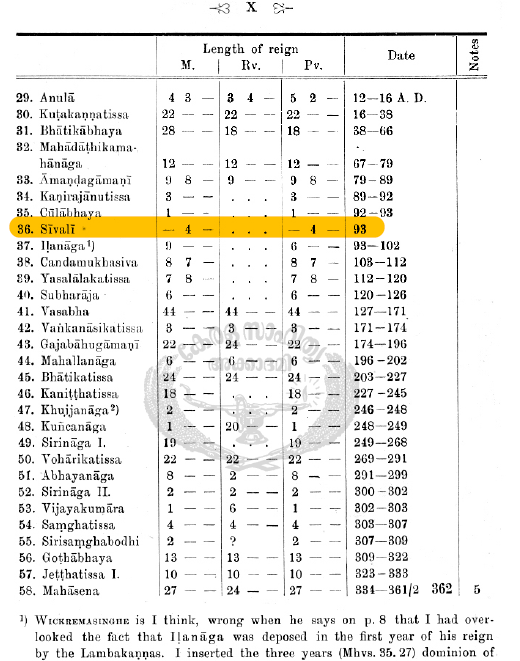
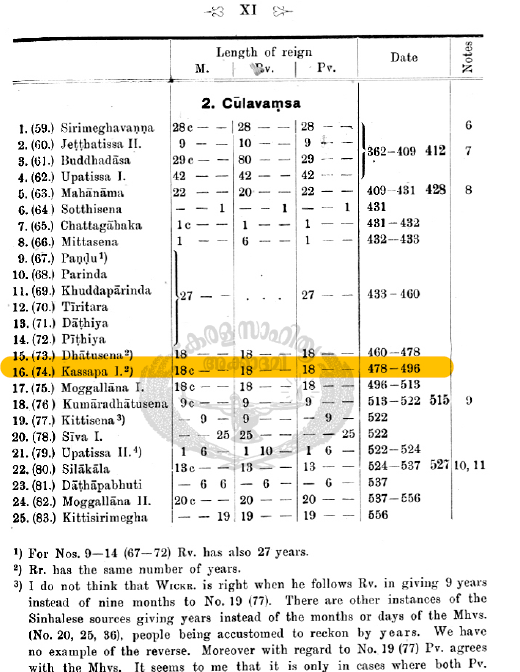
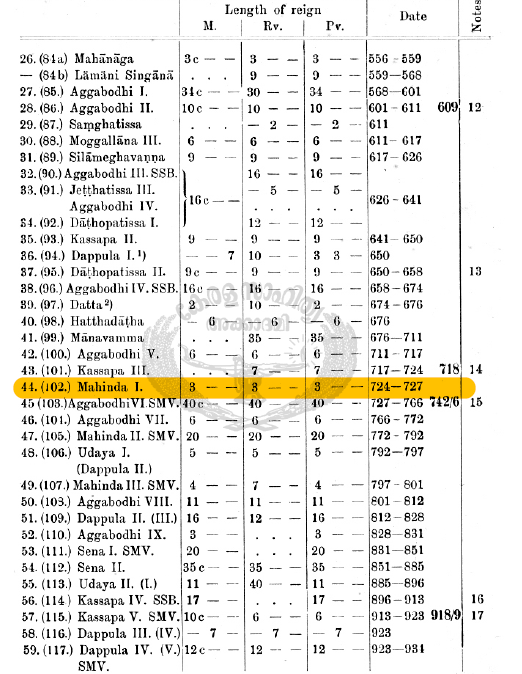
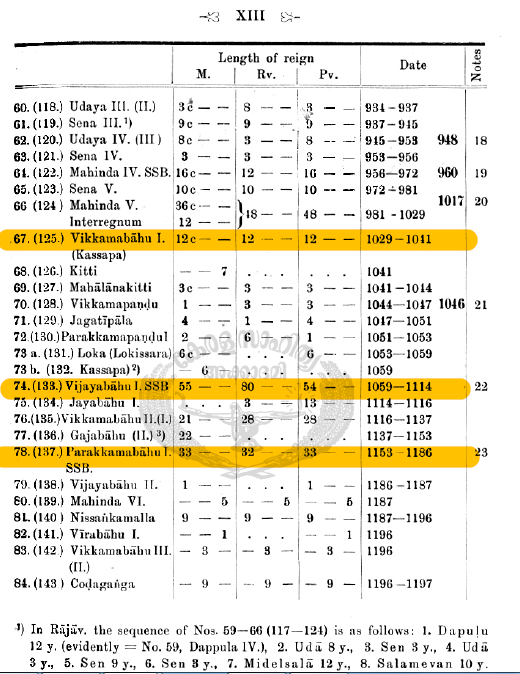
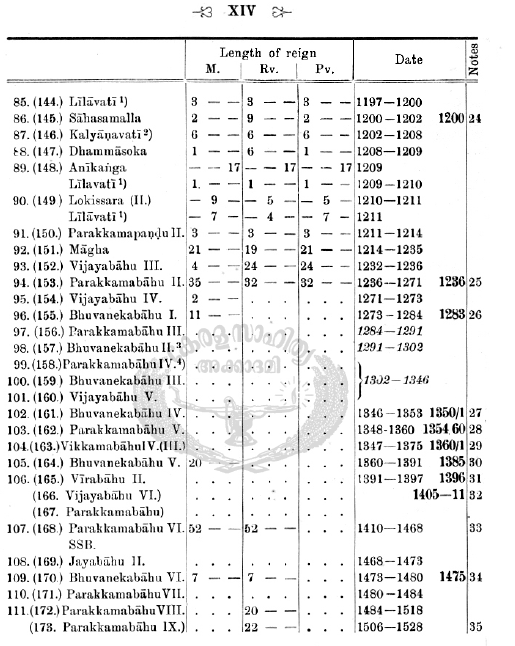
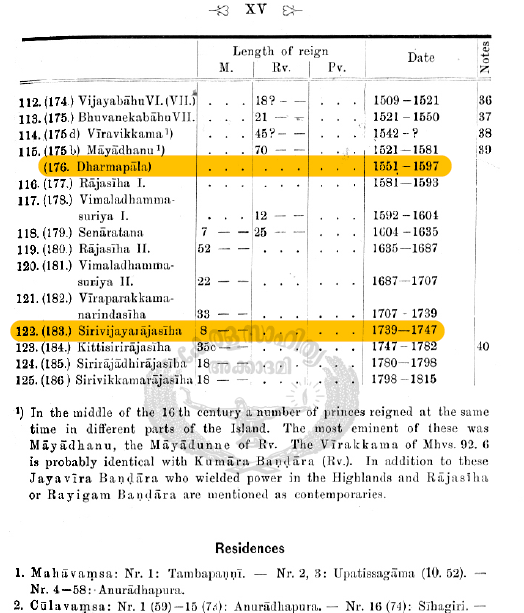
The Choolavamsa must be celebrated as Sri Lanka’s concluding portion of its literal Great National Chronicle (The Mahavamsa). It provides for a near complete King List. It should be noted that the island had a handful of ruling queens, notably Lilavati.
§
§
§
§
§
§
§
§
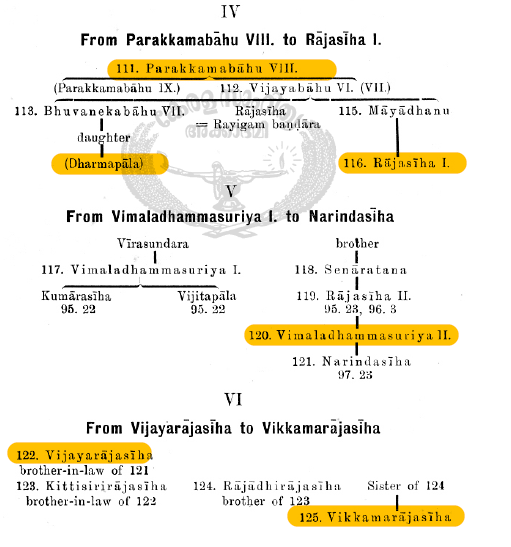
But as always, sources that have been handled by foreign hands must be carefully reviewed. This text, nevertheless, remains a crucial part of the study of the History of Sri Lanka, and is indeed, at the core of the Sinhalese ethnic identity. At once part of Indic Civilization, and yet, also its own distinct nation-state and literal island of culture, in India’s littoral.
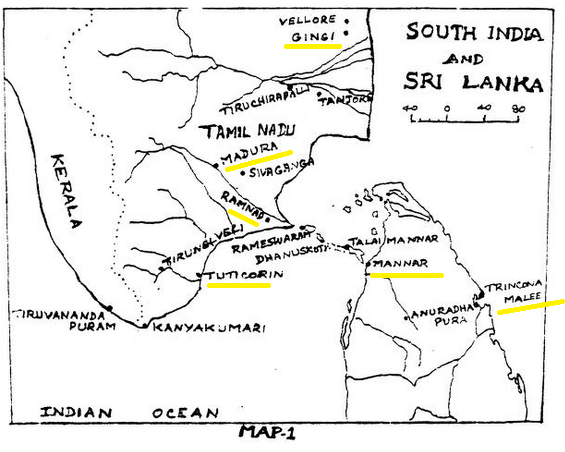
References:
- Geiger, Wilhelm. Culavamsa-Being the more recent part of the Mahavamsa.Part 1.Oxford: 1929
- Geiger, Wilhelm. Culavamsa-Being the more recent part of the Mahavamsa.Part 2.Oxford: 1929
![[Reprint Post] On High Culture: Beyond Bollywood](https://indicportal.org/wp-content/uploads/2015/08/805-150x150.jpg)