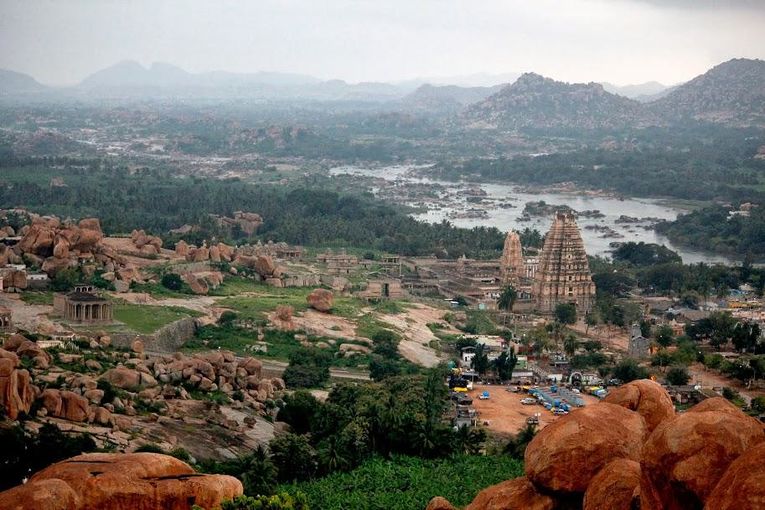
Any urbanity, nay, megalopolis of its time, will invariably be known to its denizens and dearest lovers as “The City”. The Imperial City of Vijayanagara stands out not only for its history and heroes, but also its culture, art, and architecture. The palaces, the temples, the aqueducts, the lakes, the gardens, and the beautiful sculptures and paintings all dot the hearts of its denizens even to this day.
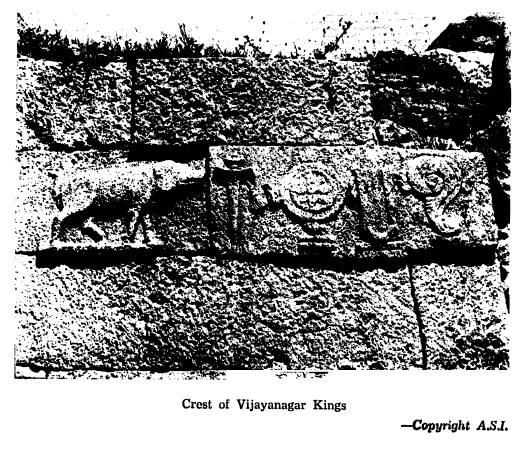
Longtime readers of Andhra Cultural Portal might be familiar with its long-running Series on Andhra Architecture.
And so we inaugurate ICP’s with Vijayanagara: The City, its Art, & its Architecture.
Background
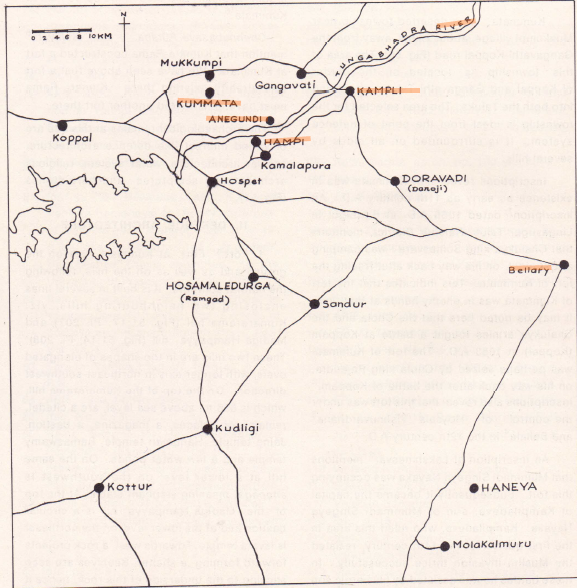
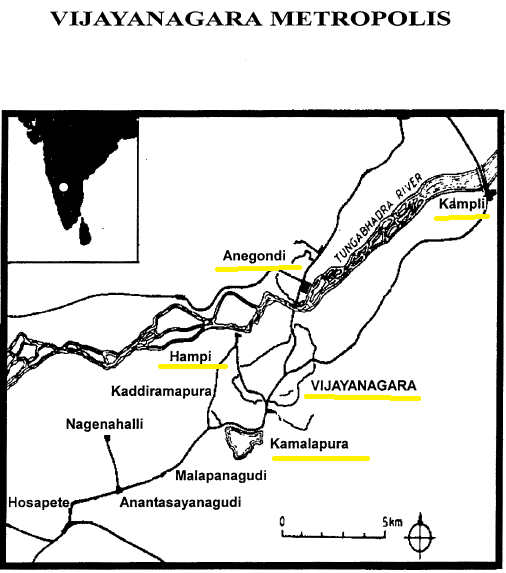
The urban agglomeration known as Vijayanagara or Vidyanagara is located today in Karnataka, between the Tungabhadra river and Bellary. Although its fame dates back to 1336 CE, there are numerous pre-existing structures (from temples to irrigation tanks) that denote not only prior settlement, but the validity of Vidyaranya Svaami’s claim that this was the site of an ancient capital.
The vicinity of this area is characterised by other preceding history, including the valiant, but ill-fated Kampili kingdom, as well as the first capital of Karnataka Saamraajya, at Anegondi. Nevertheless, there is more to this story than meets the eye, or merely Hakka & Bukka. There were 4 dynasties of Raayas that marked this Imperial Capital of the South.
Dynasties
The Dynasties of Vijayanagara can be recounted as follows: Chandravamsa (Yaadhava), Chandravamsa (Haihaya), Chandravamsa (Thurvasa), Agnivamsa (Chaalukya). There are of course 2 points of interest here. 1 is that there is a presumption that all Yadavas were Vrshnis like Sri Krishna’s clan—but this is not the case. Just as it is erroneous for any dynasty today to claim descent from Bhagvaan Ram at the risk of insulting him with their medieval mistakes, it is effectively the same with Sri Krishna. These lineages, certainly the first, were long ago extinguished or extirpated (by the time of Mahapadma Nanda). So those relying on bards and minstrels to gas up their lineages should cease to do so. Great Avathaaras would rather see their blood spent than see their lineages polluted by mlecchas. The Yadavas of the Sangama dynasty were of Yayati’s lineage (i.e. Kuruvamsa). This is interestingly validated by the very beginnings of Aandhra desa itself:
King Andhra of the Turvasu line of the Yadu clan of the Lunar Dynasty

Similarly, the much like their northern brethren, the Eastern Chalukyas of Aandhra have a tendency to claim Lunar descent when the puraanas are clear that they are Agnivamsa. Thus, the Araveedu dynasty, which claims Chalukya descent and oddly Aatreya gotra at the same time, should be correctly classified as Agnivamsa—which it was. Their ancestor Araveeti Somadeva, one of the heroes of the Aandhra Liberation Confederacy against Delhi turkics, was undoubtedly a Chalukya.
It should also be noted that due to differing views of naming conventions, one might often see a misnumbering. Traditionally, a sovereign of a particular name is numbered as per dynasty, not merely by first name (as in the West). Ergo, Venkata I was actually a Tuluva, whereas Venkata II was an Araveedu (Venkatapathi Deva Raaya). The correct naming convention would be Tuluva Venkata I and Araveedu Venkata I, just as there was Sangama Deva Raaya I and Sangama Deva Raaya II.
This takes us then to an historical recap:
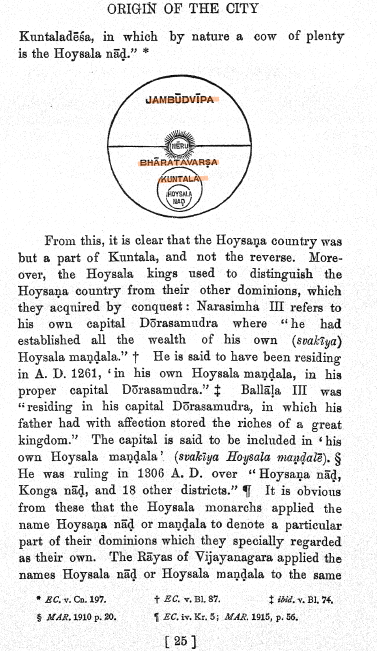
The City of Vijayanagara, as with its dynasties, stands the victim of slander and calumny. Every opportunity is taken to impute foreign influence to the magnificent structures that are there—even whilst pre-invasion examples abound. It is similar to those who have the gall to claim Buddha as a Scythian (when he himself asserted descent from Ayodhya’s Suryavanshi Kshathriyas). P.R. Rao notes similar issues with certain controversial episodes, pointing out that Nicolo Conti (present during Deva Raya I, did not mention any princess like ferishta). [3, 106]
“Ferishta’s statements, when they relate to the Hindus, have to be carefully and cautiously weighted before being accepted; when they relate to his co-religionists, they verge on exaggeration.” [17, 8]
It must be remembered that many such “traditional scholars” themselves hail from lineages closely aligned with the deccan sultanates. These collaborators are presently penning screeds on rajadharma about how kings and politicians must be “unquestionably guided” by such creatures…
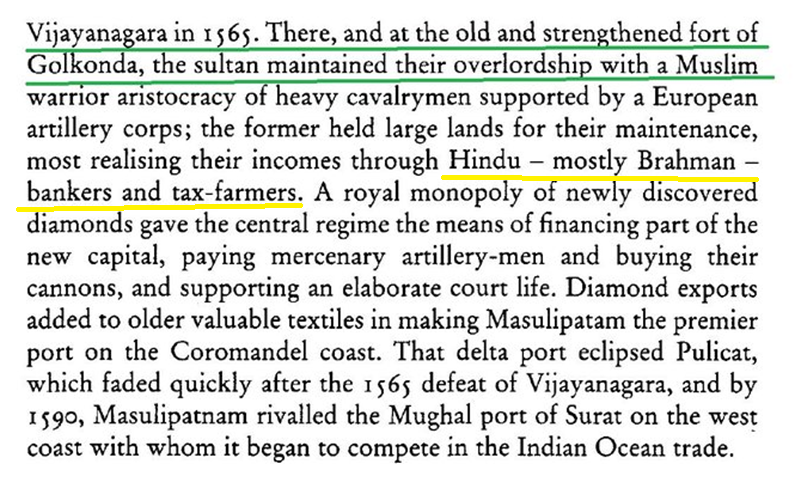
Indeed, the sangh traces its lineage to such Akkanas and Madannas. Therefore, the word of veda agrahana braahamanas such as Pandit Chelam is far superior to such vyaapari BORI boors actively working at the behest of the Turkic masters (and previously as “bankers and tax-farmers”). It is they who created the case for Telangana and they who are now working for a separate Rayalaseema, Vidarbha, and Uttara Karnataka states for the creation of a nizam-hyderabad state. The sangh and its garbage hagiography must be chucked out at first convenience.
Returning to the topic at hand, Raayas themselves recorded their many reforms and achievements, via inscription.
“Besides strengthening the army Devaraya re-organised the administration to guard the empire from the enemies. The outlying areas of the empire was divided into six provinces. They were (1) Udayagiri Rajya (Nellore), (2) Penukonda Rajya (Anantapur and Chandragiri), (3) Rajaghambira Rajya (Tamil districts of Kanchi, Srirangam and Madurai), (4) Muluvayi Rajya (Kolar and Mysore), (5) Tulu Rajya (Goa and Managalore), and (5) Mela Rajya (Malabar). “ [3, 107]
“Conquest of Kerala The notable achievement of Devaraya was the conquest of Kerala. The Vijayanagar army subjugated the ruler of Kollam (Quilon) and other principalities in Kerala. The Zamorin of Kozhikode (Calicut) was allowed to remain independent” [3, 106]
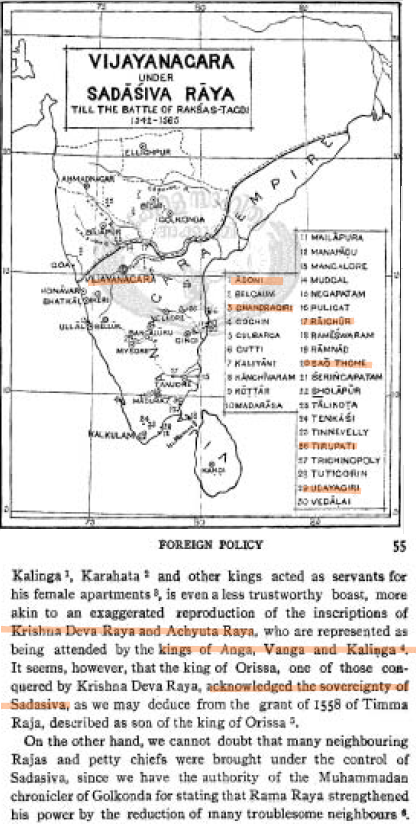
There are some additional historical anecdotes and episodes worth studying about Vijayanagara (indeed, an endless supply). Nevertheless, one aspect is the political relation with Odisha. The Gajapathis had been decisively defeated by Krishna Deva Raya, who curbed their caste pride & treacherously adharmic alliances. Despite this, he chose conciliation and a marital alliance (doomed). While authorities asserted an equality in the diplomatic standing, it appears that a revision is indeed required for this revisionism. By the time of Achyutha and Sadashiva, the Odia-Gajapathis did acknowledge the sovereignty of the Vijayanagara Emperors. Whether this was as tributary or vassal is unclear—however, it does explain the surprisingly large maps that include Odisha, appearing in a number of (often) very old sources.
Portuguese
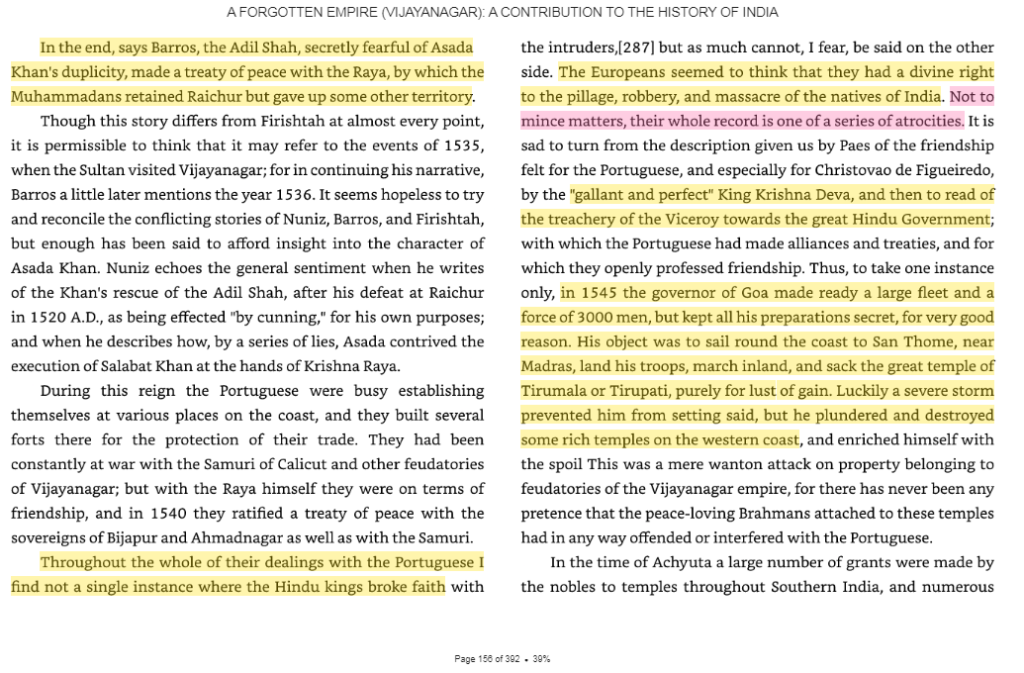
Vijayanagara’s relations with the Portuguese are often criticised, as they were the first European Colonial power; however, most of the information about the diplomatic activity between the two powers (one an Imperial Land Power and another a trans-continental thalassocracy) come to us from outsiders. Indeed, the same invented treaty negotiations that plague ferishtan accounts can even be seen in Portuguese records—with little to no factual backing or validating secondary reference. Indeed, Imperial Vijayanagara prudently ignored these piratical Portuguese who first treated with the rulers of Kerala. Even Sewell was disgusted by their conduct.
Portuguese War
As demonstrated during the Liberation of Goa, Western powers are quite cautious regarding the embarrassment of even one of their own rival European powers at the hands of “darkies”. Indeed, as the only other Imperial System of Medieval India, Vijayanagara stands as thorn in the side of continuing attempts to mughalise the Subcontinent, even at the behest of Western Indologists. Everything from “Indo-saracenic” influences on architecture (because apparently the Stupa wasn’t a dome…) or the Delhi Sultanate is touted as evidence. But in reality, other than a trickle of terms and tactics and necessary translations, Vijayanagara stands resolutely as the culmination of true ancien regime, in its final orthoprax sense. It is for this reason, any hint of Victory out of “Victory City” is seen as “exaggeration” or at best an “irritating detail to be minimised” or mocked courtesy “magical realism”. When they are too impuissant to wreak actual violence or emotional violence, they wreak intellectual and academic violence.
The War with the Portuguese stands as one such. Though the attempted raid on Tirupathi and San Thome is well-known, the results are not. In actuality, there is reason to believe there was a comprehensive victory for Araveeti Raama Raaya over Goa, culminating with the capture of the Portuguese Viceroy himself. More on that in the future.
End of Empire
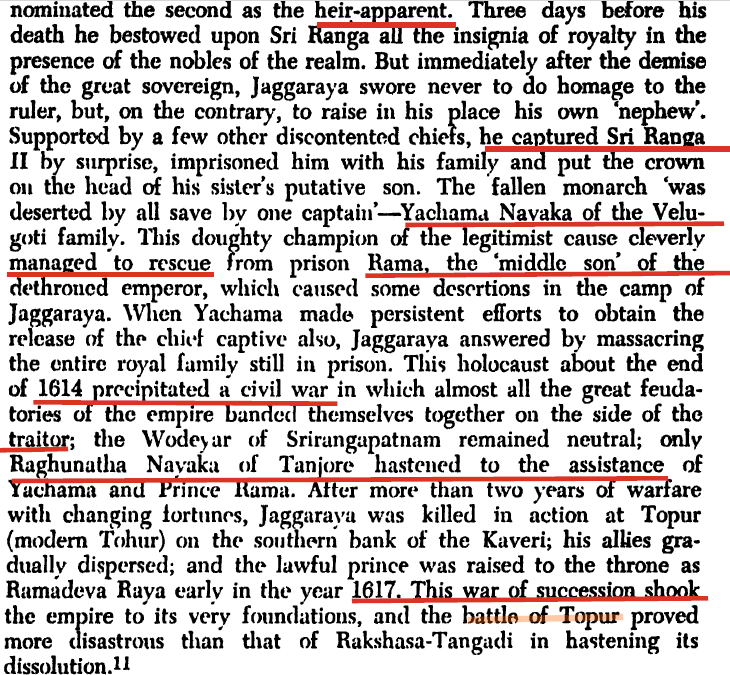
The previously mentioned reign of Venkatapati Deva Raya stands as the high watermark of the Araveedu dynasty. What followed subsequently was a Succession Crisis of 1617, in part due to his actions.
City
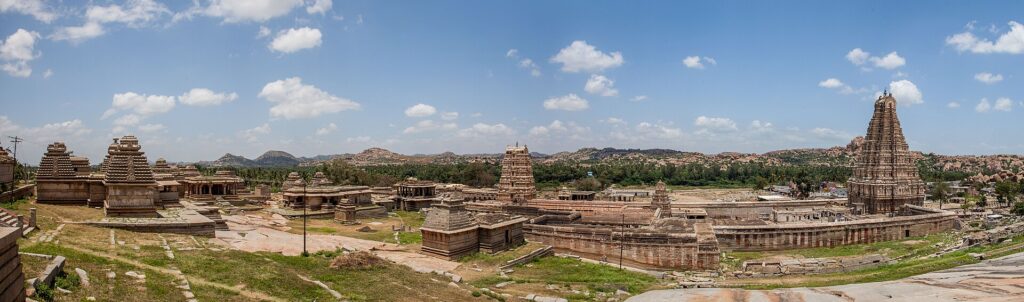
“The city is such that eye has not seen nor ear heard of any place resembling it upon the whole earth,” says Abdur-Razaak, a Persian ambassador who visited Vijayanagar in 1443 AD during the reign of Deva Raya II.” [3, 106]
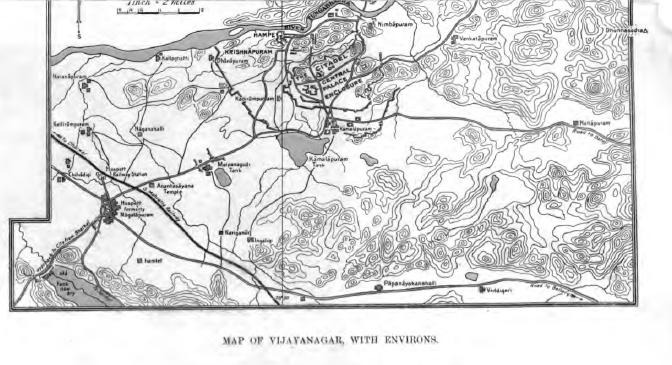
Built on the Southern Bank of the Tungabhadra River, across from its predecessor Anegondi, the city of Vijayanagara is estimated by to have been between 24 & 60 miles in circumference. At its peak it was adorned by suburbs such as the famed Nagalapura, named by Krishna Deva Raaya after his mother.
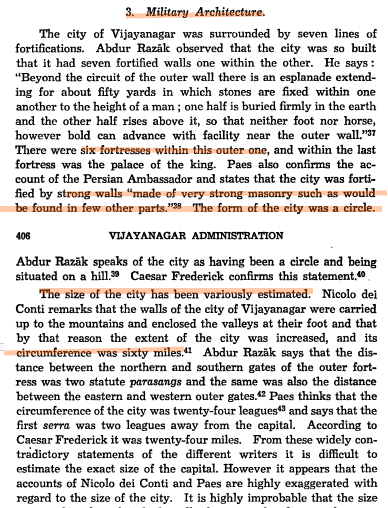
However, at its core, The Imperial City was a military one. There were 7 Lines of Walls at Vijayanagara (similar to Warangal) per Abdur Razzak, which alternated between cyclopaen and masonry. It was marked by countless bastions and 6 main forts. Some ways away was Adoni, which was seen as its keystone fort.
Art
Art and Architecture go hand-in-hand, not only as homage to the Divine, but also as monuments to power.
Painting
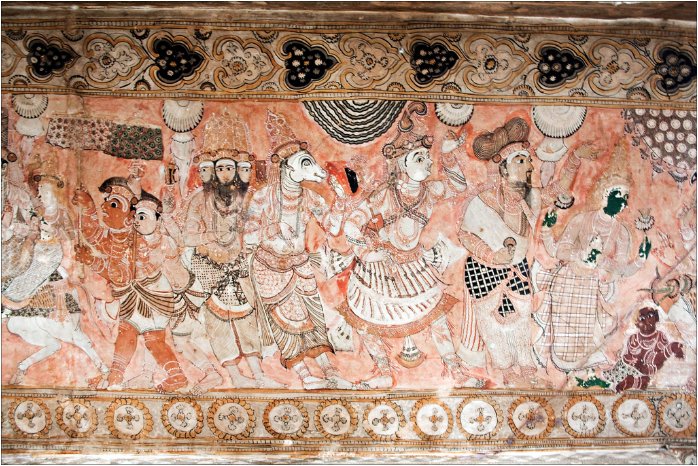
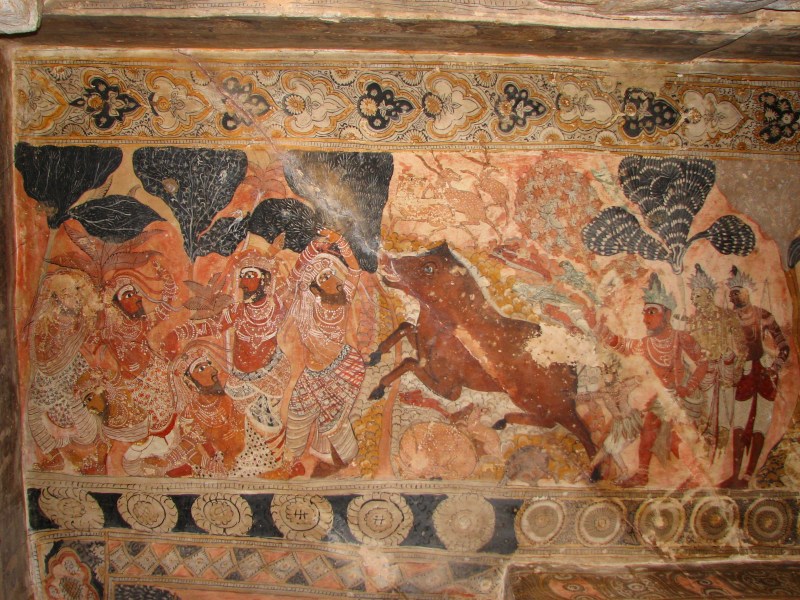
Classical Indic Painting has often been pedestalised into minimisation. The brilliant frescoes of Ajanta & Tamil Nadu have often been stymied to the benefit of mere mughal miniatures. This is even more noticeable in the medieval period where “authorities” look askance at anything non-saracenic. However, the high skill of the Indic painters of the Vijayanagara era is apparent even to the most jaundiced eye.
Some of the best examples of the high level of skill wielded by Vijayanagara painters were actually at Lepakshi. As mentioned in the article, the artificial linguistic obsession present in this era ignore the geo-cultural realities of desas.
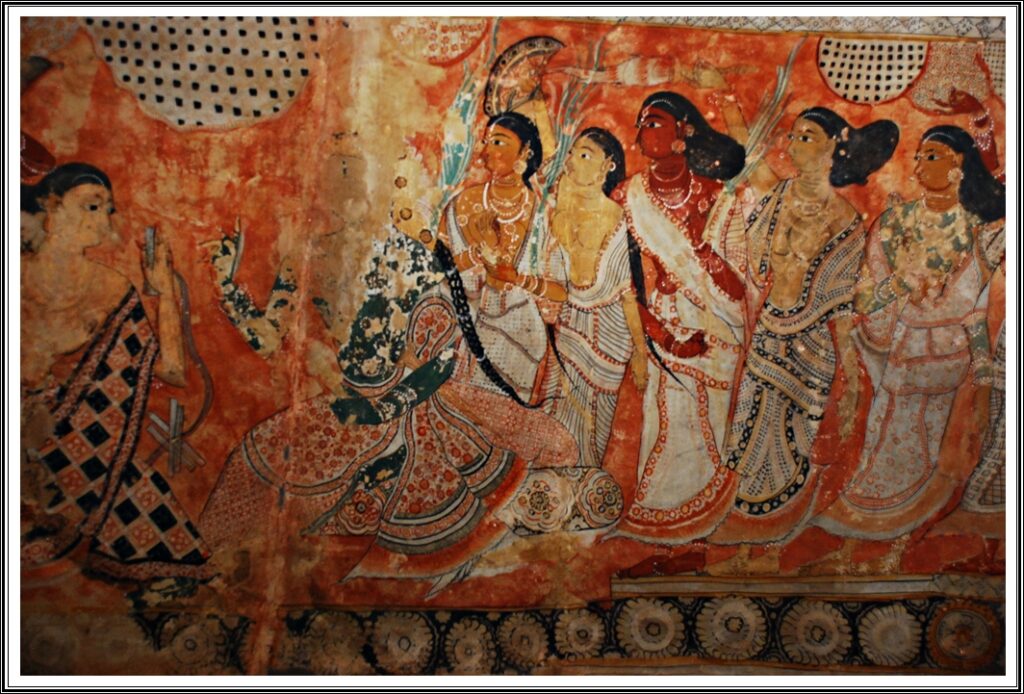
Telangana has been proven to be an artificial construction courtesy of Turkic-invaders, their angrezi masters, and their bureaucratic “traditional scholar” slaves. The boors at BORI and their debased digital spawn have only made matters worse. Fortunately, true braahamanas like Pandith Kota Venkatachalam recorded actual history. Although most of Telangana was part of old Aandhra desa, the western edges were historical part of Vidarbha and Kuntala desas. Similarly, part of Rayalaseema (Raayala-vaari-seema, i.e. the frontier of the Raayas) was historical in old Karu desa/Karnata. But to further divide these linguistic states into Uttara & Dakshin Karnataka would be dangerous given today’s religious politics. What should be acknowledged is the cultural spectrum between Rayalaseema and Karnataka/Karnataka Saamraajya.
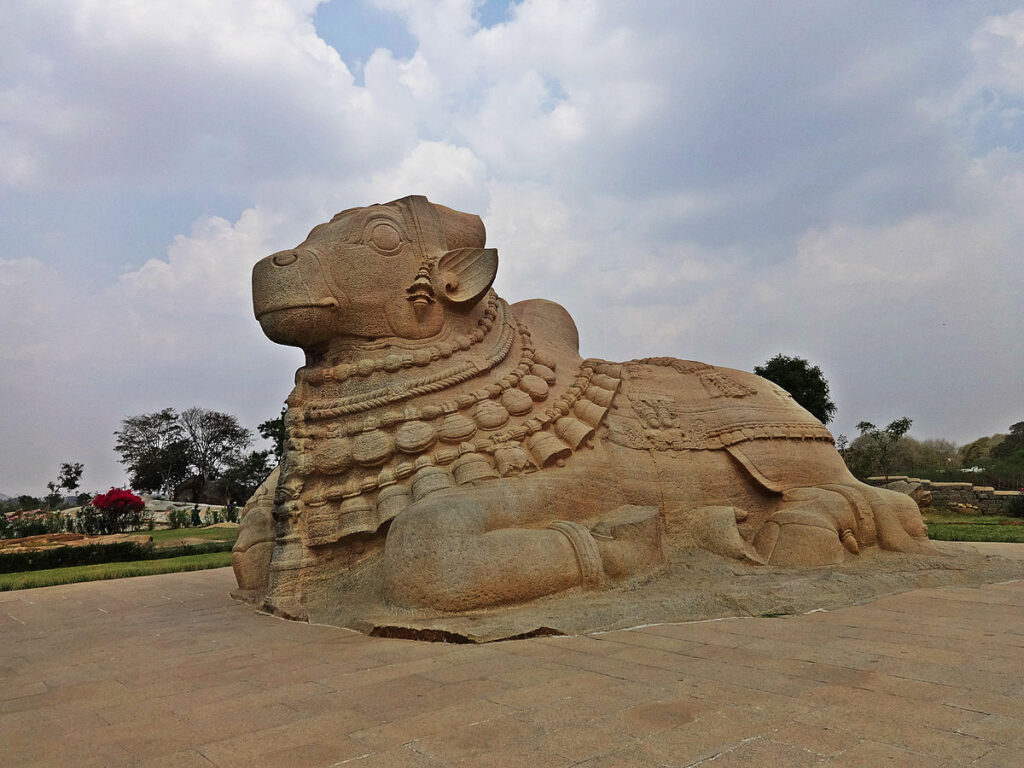
This is apparent in the beauty of the temple of Lepakshi (found in Andhra Pradesh today). Its vaunted ceilings and wall frescoes are known well to the people of Raaya-land (Rayalaseema). Indeed, it equally vaunted for its sculpture (the celebrated Lepakshi Nandi). Local legend holds that Bhagvaan Ram came across noble Jatayu here, saying Le Pakshi (“arise, oh bird”).
Sculpture
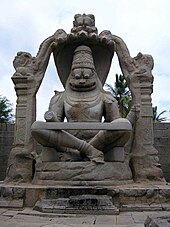
Perhaps the most recognisable specimen of Vijayanagara sculpture is the dignified Narasimha statue. Deprecated by V.A.Smith due to his ignorance and prejudice, it depicts the fierce form of Mahavishnu’s incarnation, who tore apart the very belly of the Asura oppressing his dearest devotee. Classical Indic Sculpture typically maintained a rule against realism, especially of humanoids, due to the belief that departed spirits might choose to occupy them. As such, the ferocious monolithic Nrsimha is depicted in this way as means of externally representing the internal meaning. It is not for nothing that many of the great Emperors and generals of Karnataka Samraajya bore this name to strike fear in the hearts of their enemies (Saluva Narasimha, Immadi Narasimha, Narasa Nayaka, etc). [15, 395]
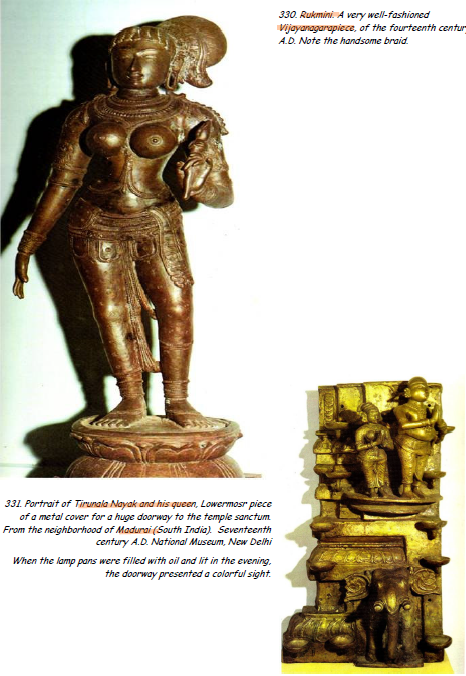
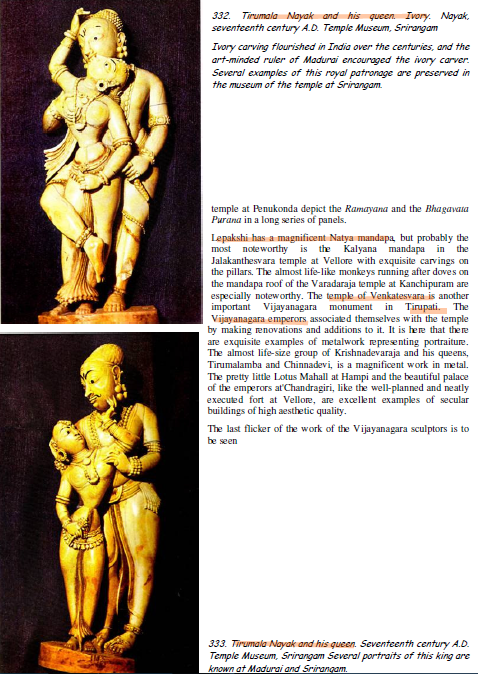
Material for sculpture might vary from the traditional granite stone to more intricate work on ivory.
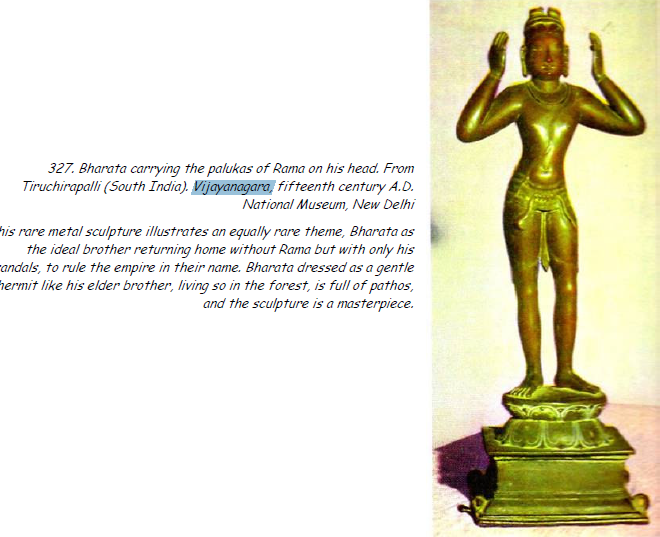
Bronze was yet another favourite as seen above.
Architecture

Classical Indic Architecture finds its roots in the upaveda known as Sthaapatya Veda. This sacred scripture of construction contains within it not only the precepts for building buildings, but also the authorised proto-styles for orthodox temples. Vijayanagara’s architecture is often reductively termed either derivatively dravidian or oh so syncretically indo-saracenic.
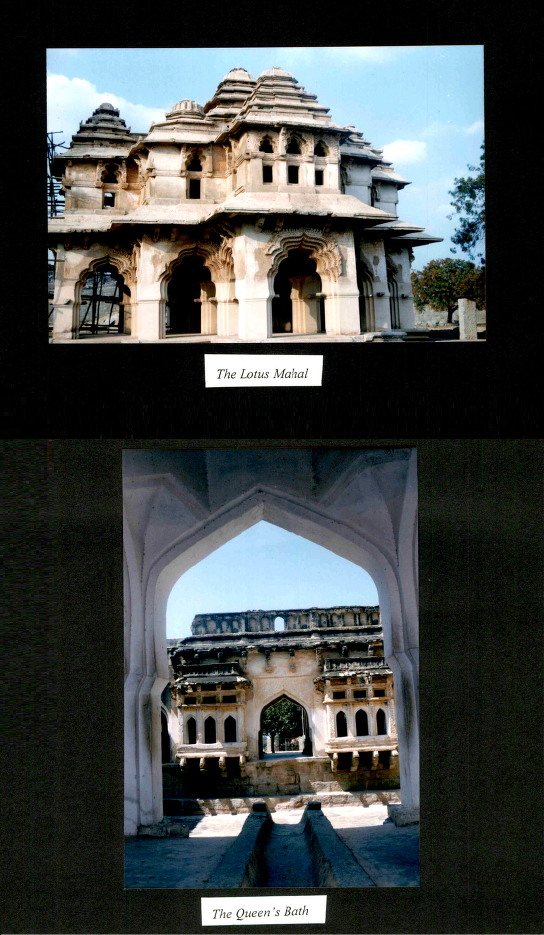
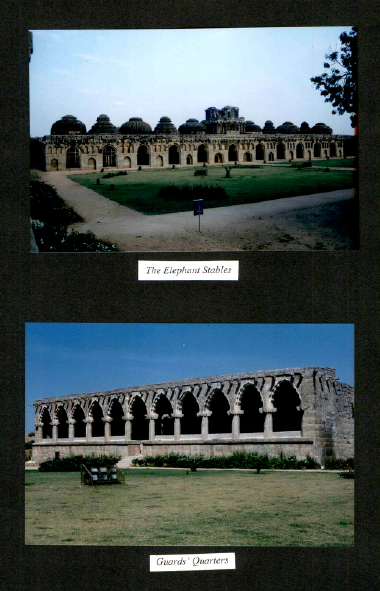
While it is invariable that turkic constructions would have trickled in following their depraved destruction and wanton pillage (as at Warangal), cultural appropriation was afoot long before the british. While it is imperative to speak truth to power—it also must be with the truth. Auto-crediting the Lotus Mahal or the Elephant stables to such sources is asinine, and must be reevaluated with more traditional eyes. After all, not only were there ancient Vedic styles of architecture, but also Buddhist and Jain (prominent here due to the Digambara sect of Karnataka).
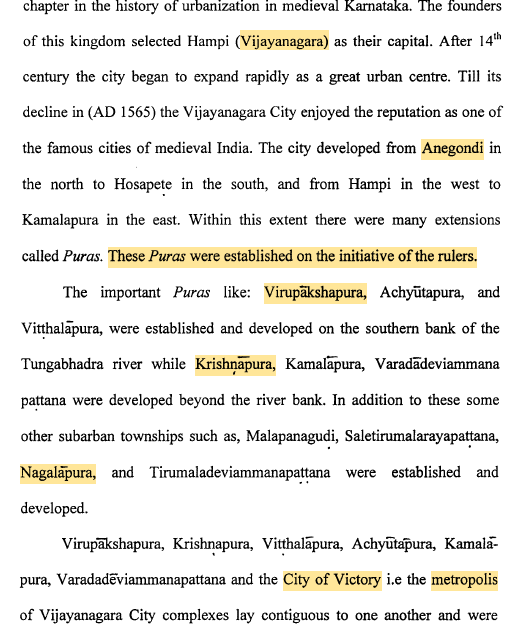
It may in fact be apropos to dub these a proper Vijayanagara style, given that the less consequential Hoysalas and Chalukyas are often provided with their own. To what extent Vidhyanagari might have been susceptible to foreign influences is a matter for posterity to study—but the essence is undoubtedly indic.
One area that stands as a clear example of autocthonous achievement is in irrigation works. From anicuts to water tanks, h20 was the sine qua non for life in the arid portions of the dakshinapatha. The Chandrasekhara temple features one such octogonal tank. Then there is the Turuttu anicut. [15, 394]
Aqueducts
The Imperial City was not just a pious agglomeration of temples and sculptures, it was also a well-supplied haven of gardens, lakes, and palaces. What stands out the most however is the use of aqueducts to supply this, the best-supplied city of the middle ages.
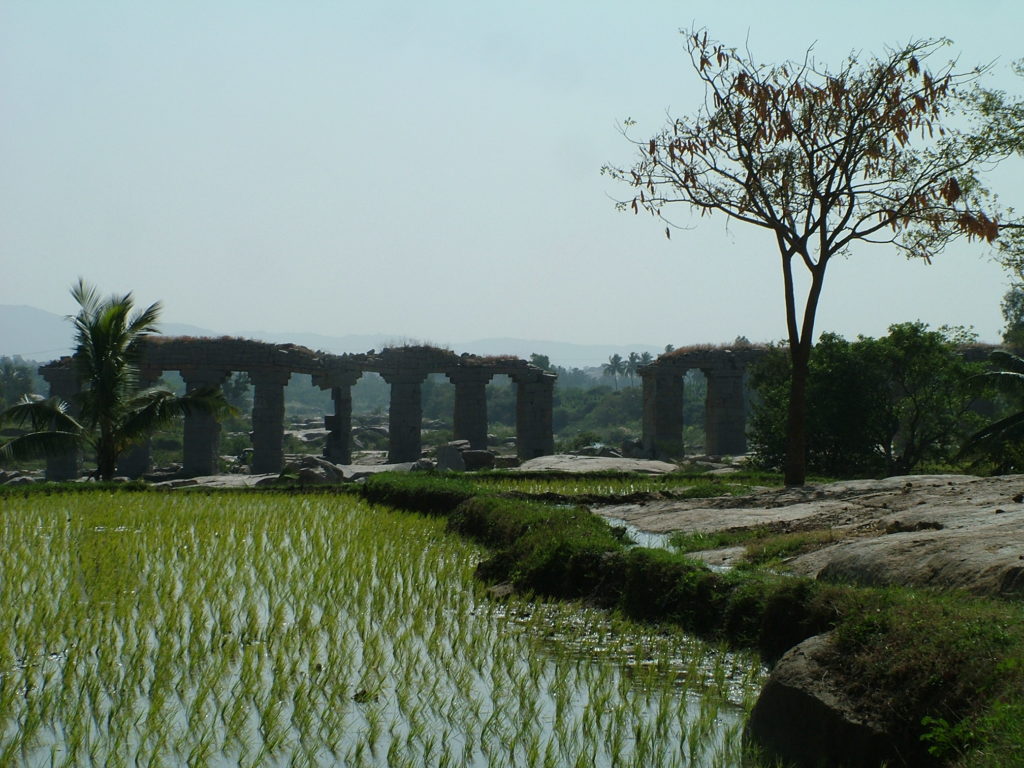 Aqueduct outside the precincts of Vijayanagara. This region is known to be particularly dry, making water tanks and aqueducts essential to maintaining a prosperous population.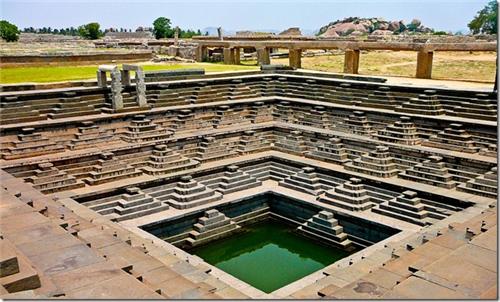
However, no description of a traditional Indian city is free of the mention of the many drinking tanks and step-wells that would have dotted its landscape.
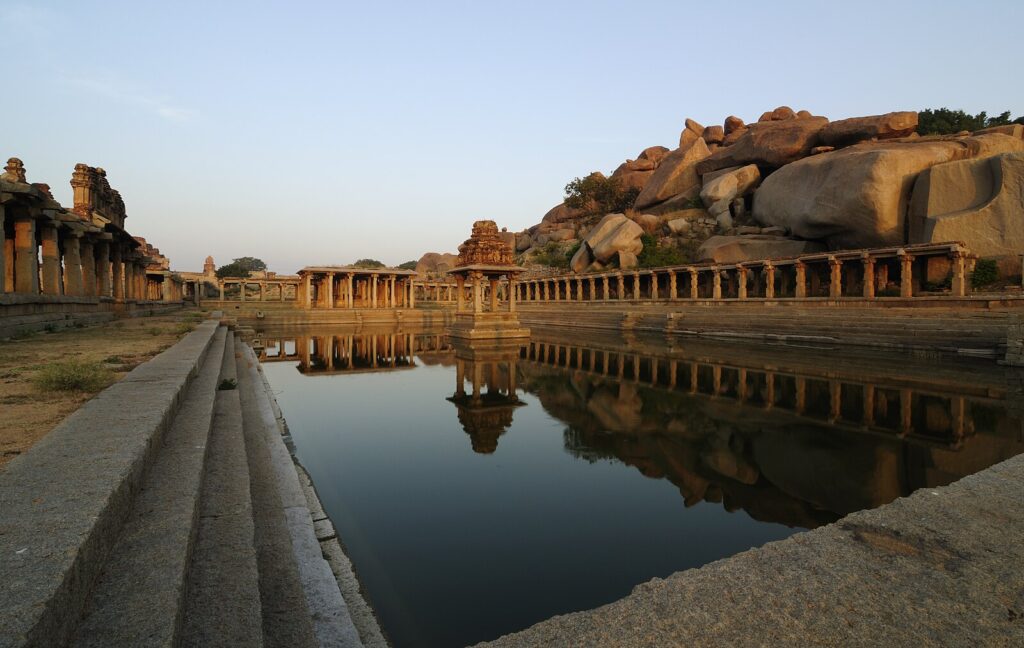
The Krishna Pushkarini in particular makes for a scenic vista to any voyager or passerby.
Palaces
The palatial capital of Vijayanagara was said to boast more than 30 palaces.
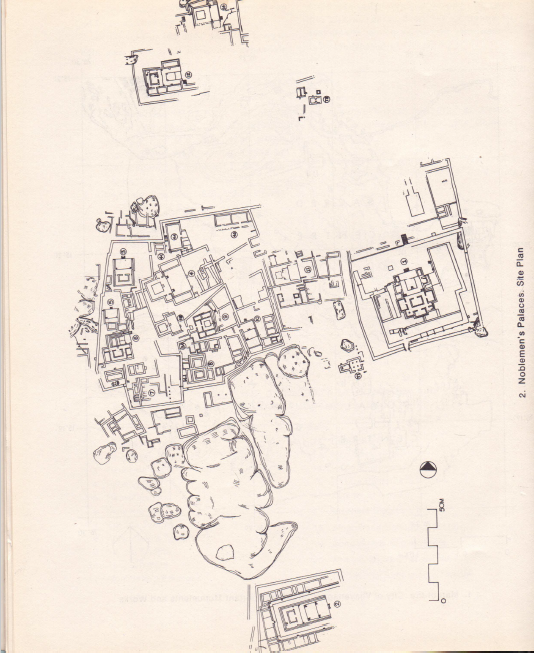
Nobleman’s Palace
Araveedu Raama is said to have constructed a magnificent palace for himself called Rathnakoota.
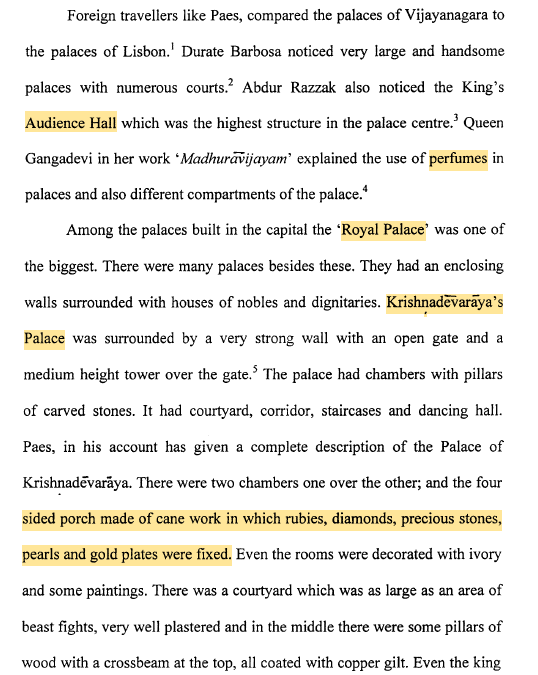
Naturally, no King’s Quarters (much like a King) is complete without his Queen’s. The Lotus Mahal and the Queen’s Bath are other legendary constructions at the site of Hampi.

Temples
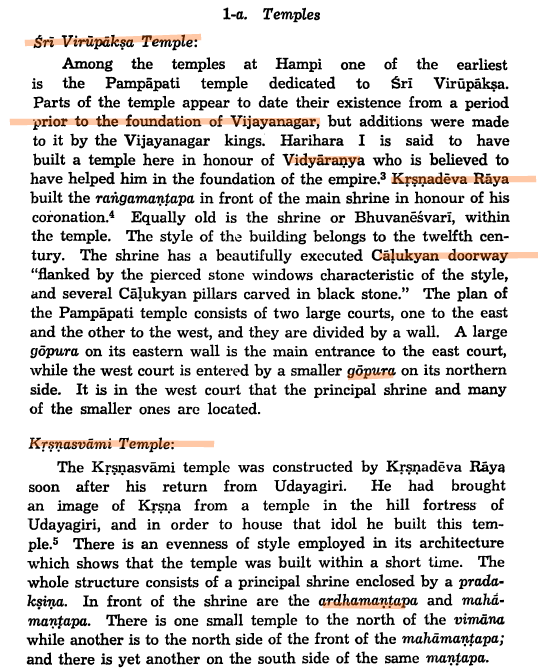
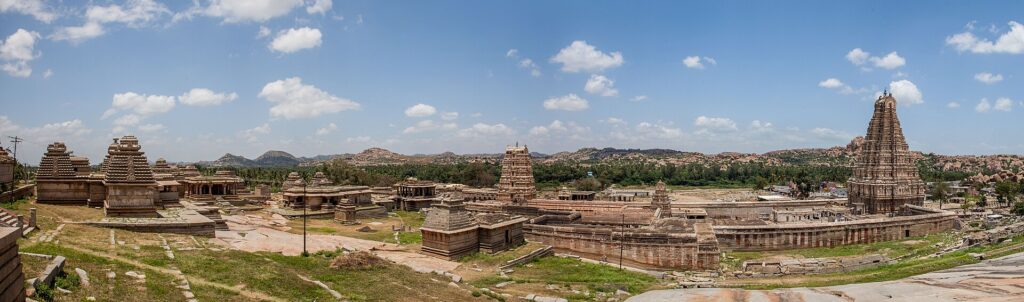
If there is a temple that is synonymous with the suburb of Virupakshapura, it is the eponymous Devalaya. This delightful piece of architecture is said to have survived the pillage and vandalism of the bahminids due to the Veerashaiva soldiers who pledged violence, should their patron raze it. They had been unfortunately driven to the deccani side due to the politics of Sringeri—nevertheless, they were at least able to save this magnificent specimen of the period.
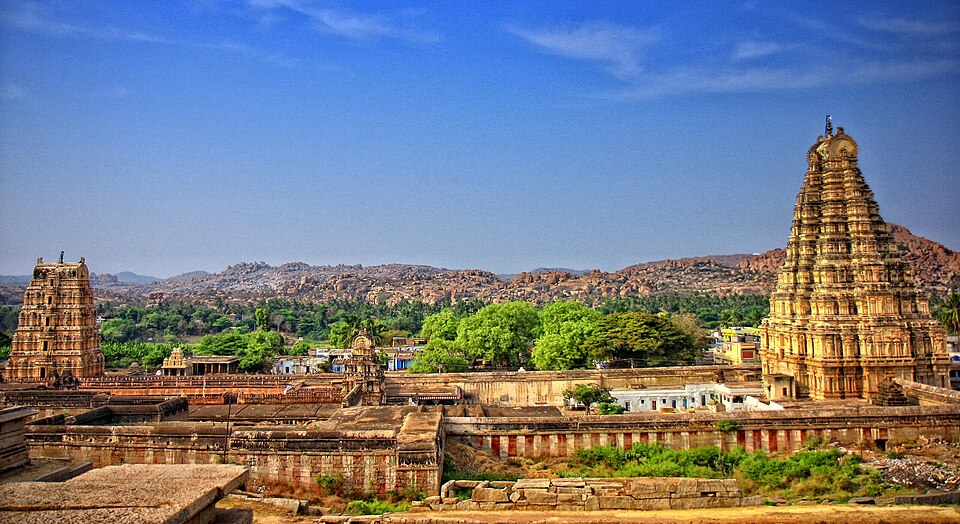
Another beautiful construction is the Hazara Raama Temple.
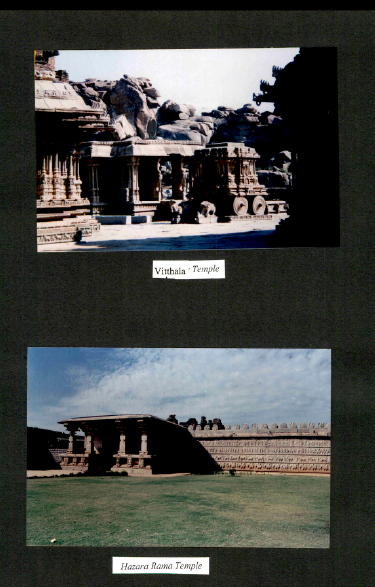
“The exquisite Hazara Rama temple was built during the reign of Devaraya. Devaraya was noted for his skill in hunting and took the title Gaja Vetakara (Hunter of elephants). Abdur Razzack, the Persian Ambassador to the court of Zamorin visited Vijayanagar in 1443. )”. [3, 108]
Further away, the Vidhyasankara Temple in Mysore is an excellent example of architecture that did not suffer the same violence. It was built in Dhraavida reethi (Dravidian style) but indicated Hoysala influences. Not only are there puraanic friezes, but there is also a panel showing Adi Sankaracharya himself. The grand hall has 12 pillars featuring lions and riders. The central ceiling has a lovely lotus with five tiers of concentric petals. [15, 396]
Elsewhere stand the Lakshmideva temple of Melkote. It features scenes from the Raamaayana (Vibhishana speaking to Raama) as well as the Mahabhaaratha (Krishna slaying Kamsa). Meanwhile, the Mallikarjuna temple at Pankajanahalli shows sculptures with the story of Kanappa and Sakthi Ganapathi. [15, 397]. Other locales with temples of interest are Tadapatri, Chidambaram, Vellore, Madurai, and Kanchipuram.
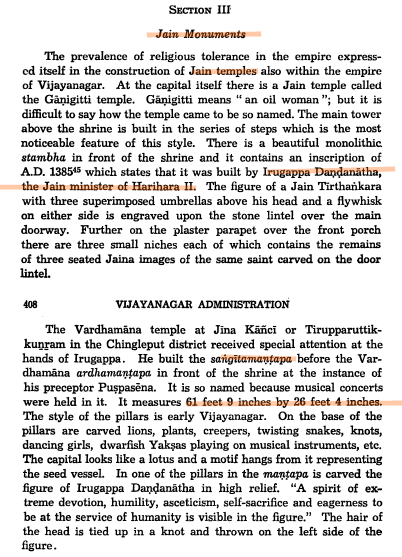
Being a Cosmopolitan Centre, The Imperial City not only boasted monuments to its tutelary deities (Virupaksha and later Vishnu), but even for the Jain residents and officials that partially populated the people.
Conclusion
“The city is such that eye has not seen nor ear heard of any place resembling it upon the whole earth,” says Abdur-Razaak, a Persian ambassador who visited Vijayanagar in 1443 AD during the reign of Deva Raya II.”
Although the vision of Vijayanagara is apparent today to any pilgrim to Hampi, in reality, it is in the descriptions of passers-by and ambassadors from foreign countries that the memory of Architectural grandeur is truly recalled. The City of Victory was not only one of Temples, Gateways, and Palaces, but also Bazaars, Parks, and Lakes. The visitors themselves often struggled to capture the exact extent.
The Eminent Travellers who visited Vijayanagara and wrote on the state affairs are:
- Ferishta, the famous Persian historian
- Nuniz, a Portuguese visitor
- Nicolo Conti, the famous Italian traveler
- Abdur Razzaq, another Persian visitor
- Federick Barbarossa, the Portuguese visitor
In the end, such an awe-inducing archaeological site is not merely a sepulchre to past glory, but must be inspiration to future aspiration. Rather than merely memorise king-lists or praise yet another made-up minister/mentor/rajguru/svengali/all-knowing jeenius [cough, Thimmarasu] , students of today must study episodes of history with clarity to deduce the actual truth (rather than mere truth claims). It is then and then only that the true lessons of history can be gleaned.
The seeds for Vijayanagara’s cataclysmic fall were sown with the early association of Kapalikacharyas like Kriyasakthi. It is by firmly rejecting them and their “traditional scholar”-“aryan invasion theory“-beef-in-vedas”-“romantic ashvamedha” bastardised foreign collaborating faux-brahminical ilk that the bastardy of anti-brahminism and caste supremacism alike can both be rejected.
True history is contained in the works of great Vedic Braahmanas like Kota Venkatachalam, not in chaanakyan wannabes creating ever new ministers-rajguru-svengali by appropriation and invention.
The City of Vijayanagara stands testament to such Vedic men and such stern Emperors, rather than the itinerant bureaucrats of dubious loyalty. From the suburbs of Virupakshapura and Nagalapura, to the agraharas of Krishnapura, to the 60 plus ports that prospered under the Reign of the Raayas, the City of Victory truly was a city of Art & Architectural glory. It deserves a better class of career historian than the one that currently presides over it.
References:
- Rao, Venkata Gutty (Prof.). “Vijayanagara Empire”. CH.16 of Vol. 5 of ‘ A Comprehensive History of India’. New Delhi: People’s Publ. House. 1970
- Sastri, K.A.Nilakantha. A History of South India. New Delhi: Oxford. 2015
- Rao, P. Ragunadha. History and Culture of Andhra Pradesh: From the Earliest Times to 1991. New Delhi: Sterling Publishers, 2012. 1-23
- Krishnamachariar, M. History of Classical Sanskrit Literature. Delhi: MLBD. 2016
- Mittal, J.P. History of Ancient India. Vol I. New Delhi: Atlantic. 2006
- Kusuma Bai, K. Dr. Music-Dance and Musical Instruments During the Period of the Nayakas (1673-1732).
- Rao,Adapa Ramakrishna.Makers of Indian Literature—Krishnadevaraya. New Delhi: Sahitya Akademi. 1995
- Gopal, Dr. R. (Ed.). Life and Achievements of Sri Krishnadevaraya. Mysore: Directorate of Archaeology. 2010
- Sharma, M.H. Rama. History of Vijayanagara—Beginning & Expansion. Bombay: Popular Prakashan.1956
- Sewell, Robert. A Forgotten Empire (Vijayanagar): Contribution to the History of India.
- Journal of Indian History and Culture.2015 P.141
- Bussagli, Mario. 5000 Years of the Art of India. Harry N. Abrams: New York.
- Shastri, H.M. Chandrasekhara. The Vijayanagara Urbanity. Dharwad: Karnatak Univ.2002
- Devaraj, D.V. & Chennabasava Patil. Vijayanagara. Mysore: Progress Research. 1987-88
- Mahalingam, T.V. Administration & Social Life under Vijayanagara. Univ.of Madras. 1940
- Ramanayya, N.V. Vijayanagara: Origin of the City & the Empire. Madras: Asian Edu. Servicies. 1990
- Malampalli, Somasekhara Sarma. History of the Reddi Kingdoms.Delhi:Facsimile Publ. 2015
Nice one. It is important that we don’t just learn about the divine architecture of our nation’s history, but also we must understood its true value.
Thank you for taking the time to showcase the more artistic side of Vijayanagara too, its only when we appreciate our past and how its relevant today, that we will be inspired enough to not only protect it, but also build upon it for future generations.
Jai Vijayanagara!
If you thought this was interesting, wait ’til you see what’s next…
can’t wait!