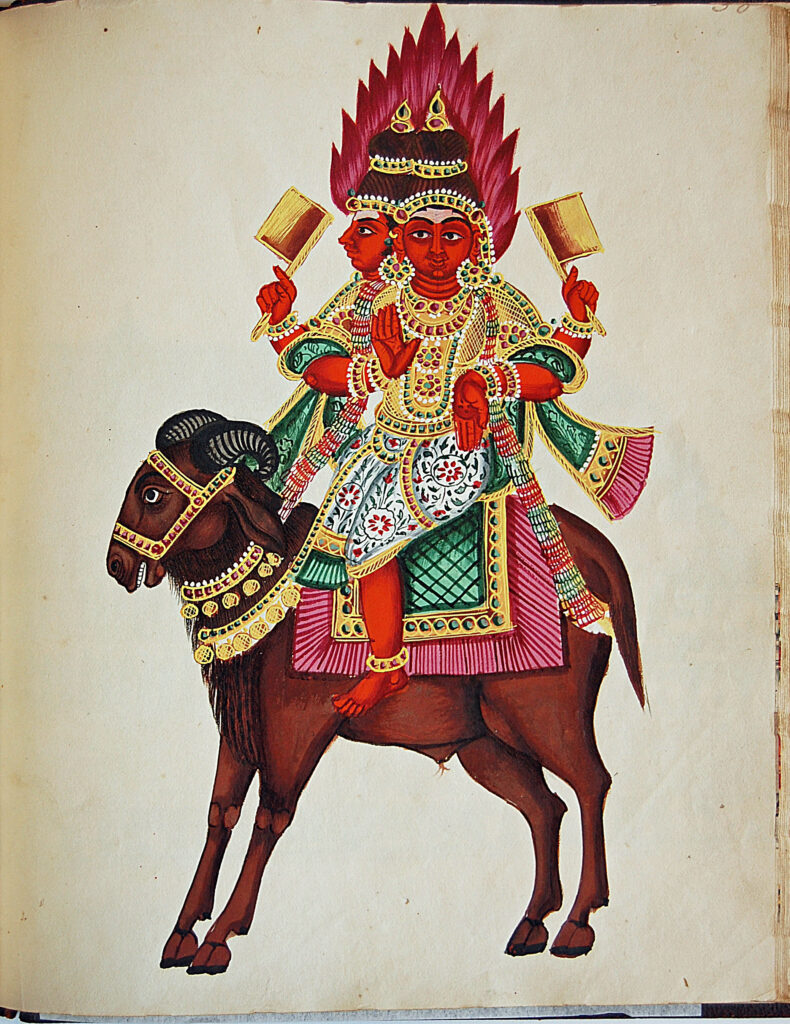
The Vijayanagara Series has brought attention to the various Houses of Kshathriyas that ruled that Empire, as well as many others in the South. As a result, having waded into 1 controversy, it now becomes incumbent upon us to evaluate (and hopefully resolve) another. Specifically, we speak of the legendary dynasty fountain of Raajanyas known as Agnivamsa.
Introduction
It is said that history is part art and part science. Perhaps no topic walks this line as much as the history and origins of the Rajputs. Anyone acquainted with social media/digital politics would understand just what a firestorm this topic is. And yet, no 1 side stands innocent of exaggerating or conversely defaming an already illustrious community. Rajputs of course don’t do themselves any favours by continually claiming descent from Bhagvan Ram (which is a ludicrous assertion when Puraanas are quite clear his lineage was ended by Mahapadma Nanda, along with many other Kshathriya lineages). However, some caste supremacist “Brahmins” (we use the term loosely given the existence of Yavana Pandit Mlecchas) have used this opportunity to insult Rajputs with all-and-sundry degrading them in ways which we care not to reprint here.
That is why the word of an actual Vedic Braahmana, rather than british bureaucratic dubashi “brahmins” who usurp such authority, matters more. The truth is, there are many Rajputs who are directly descended from Vedic Kshatriyas of both the Solar and Lunar Dynasties—one of which we documented, i.e. the Kalachuri Haihayas (also proving there are other by-birth/ritual Kshathriya communities in India).
However, the Puraanas are also quite clear that along with Surya and Chandra, there was also an Agnivamsa. The british, using their trademark subtle deception, praised the Rajputs into accepting Tod’s complimentary aspersions of being descendants of Huns and Scythians. This is also false. Rajputs are not foreign origin, and those fake-Rajputs claiming such origins probably are not in fact Kshathriyas or Rajputs but “Khanzadas” from the pakistan without…or within. The extirpation of ancient Kshathriyas to a few regions and the rise of all-India Brahmin kings created a scarcity in actual ritual-status Kshathriyas. Hence the rise of a new samuday.
Origin
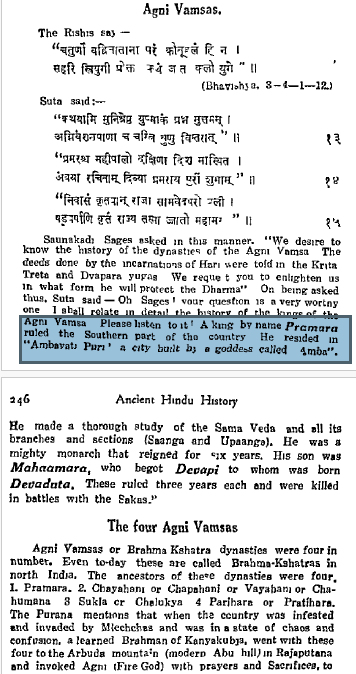
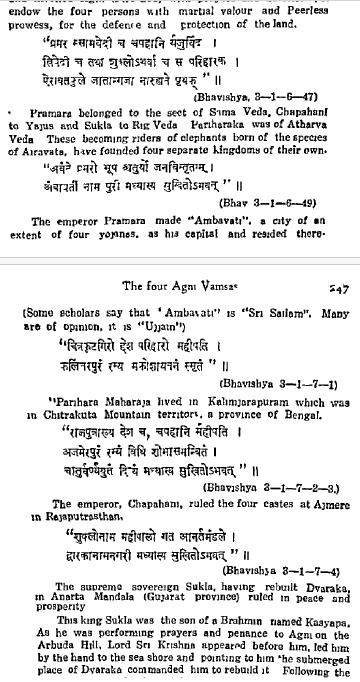
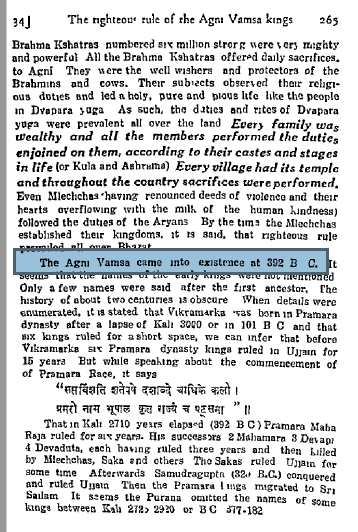
Agnivamsa Brahma-Kshatras: Bhavisya Purana Pratisarga parva declares Paramaras were from Saama Veda, Chalukya from shukla Yajur, Chahamana were Trivedis, Pratihara attached to the Atharvana. In 392 BCE, these sages performed Yajna on Mt. Arbuda to be imbued with Kshatriya tejas.
The rise of the Agnivamsa Brahma-Kshathras remains inextricably connected to the history of Malava/Avanthi. Indeed, the most celebrated of the Agnivamsas rose to rule here.

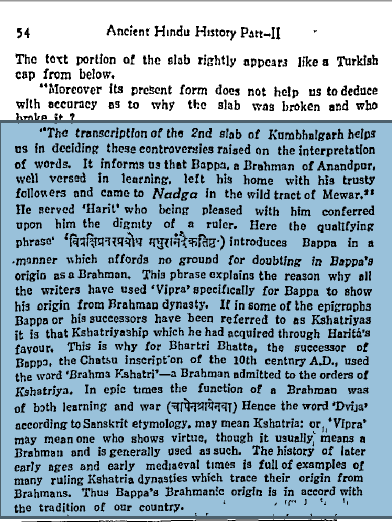
The truth about the Agnivansh is that there was indeed a great Yajna at Mount Abu. However, rather than Huns and Scythians it merely involved Vaidikaarya Braahmanas seeing the need to initiate as Kshathriya. Since the rise of the Sungas, Brahmin kings and dynasties (in contravention to varnashrama dharma) had become de rigueur. Slaves of european pagan-druids assert any mention of kapalikas is apparently “missionary” propaganda—but anyone acquainted with puraanic history knows it is replete with the existence of these fallen braahmanas/brahma-rakshasas (just ask what Adi Sankaracharya had to face). To contravene this is to contravene the Mahabharata itself—proof positive that Sanghis and their slaves are non-Vaidikas/non-Dharmikas. Before anti-brahmins get too excited, they should also remember that it is usually (though not always) a Rishi or some Vaidika braahmana that counters the negative-spiritual power of these asuric tantric “brahmin” kapalikas.
As such, the Sunga dynasty was characterised by such immoral kings (particularly the last one who despite being brahmin himself, preyed on brahmin women). They were followed by the Kanvas, and finally the Satavahanas. These back-to-back brahmin dynasties at Magadha naturally installed many co-varna governors and petty kings across Bhaarathavarsha. In the case of the Satavahanas, this was over half-a-millennium, resulting in quite a royal imprint. One such dynasty was at Avanthi desa, better known today as Malwa (Western Madhya Pradesh).
Avanti/Malava/Malwa
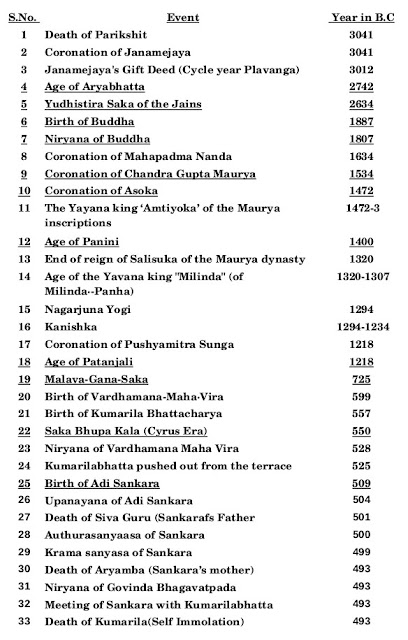
It is important at this stage to emphasise that we subscribe to Pandit Chelam’s Chronology. Kota Venkatachalam gaaru was a Vaidika Braahmana from Aandhra desa who convincingly and definitively revived our correct chronology, versus Indology, which confuses/conflates Chandragupta Maurya with Chandra Gupta I. This was done on purpose to eliminate 1000 years of Indic History. As such, Alexander’s contemporary was actually Samudra Gupta, and Chanakya (contrary to our yarn-spinning generals (both armchair and windbag)) had nothing to do with defeating Greeks or uniting India (the Nandas already achieved this). That is the importance of correct history—correct conclusions can be drawn. Thus, the army of Magadha that Macedonian soldiers feared was actually under the command of the Satavahanas, not Nandas. The Yavanas that Pusyamitra Sunga defeated were ancient Afghans (i.e. Yavana-Bhaaratheeyas). It is in this environment that another brahmin dynasty arose.
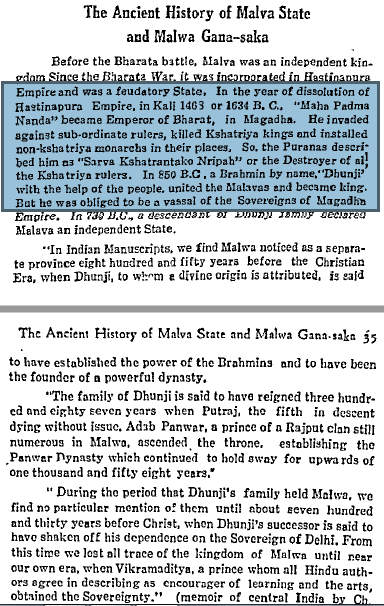
Dhunji was a Brahmin who united the Malavas and became their king in 850 BCE, but he was subject to the Andhra Satavahana Emperor. [2,34] The Brahmin Shudraka ruled Malava in 756 BCE [1]. A descendant of Dhumji led a revolt against Magadha in 739 BCE and established Malava-Gana-Samvat 725 BCE.
Family of Dhunji ruled 387 years. Putraj was the last and died without issue. Adab Panwar of the Agnivamsa took the throne ~392 BCE. This means Bhartrhari and Sriharsa Vikramaditya were of this family. Bhartrhari and Sriharsa Vikramaadhithya were sons of Chandrasarma, who became Govindacharya Bhagavadpada, Guru of Adi Sankara. Their mother Seelavati was the daughter of King who ruled Ujjain. [2, 35]
It should be underscored here that there were many Vikramadityas, just as there were many Harsas. The Sriharsa we know as the ruler of the Vardhana Empire of Northern India was Harsa Siladitya of 606 CE. The famed author of the books, however, was Sriharsa Vikramaditya of 457 BCE, and responsible for his own Era. Then there is Vikramaditya of the Imperial Gupta dynasty known to us as Chandra Gupta II Vikramaditya. Finally, there is the topic at present, Emperor Vikramaditya Panwar, known puraanically as Paramaara Vikramaadhithya or Vikramarka.
Sriharsa Vikramaditya was the actual author of the books credited to Harsa Vardhana of Thanesar. This Sriharsa is the one who defeated the Achaemenid Persian Emperors, preventing them from expanding into Kashmir, and after a few decades, throwing them out of the Punjab, and across the Indus. Many Indologists (and their bureaucratic/dubashi slaves) might demur, stating this is indo-centric fantasy; nevertheless, the Puraanas are quite clear about this victory, starting the Sriharsa era of 457 BCE, and coinciding with the end of the Persian Invasions and Darius’ reign.
Following the end of the Dhunji dynasty, Adab Panwar took the throne, establishing the reign of the Imperial Paramaara dynasty of Malava. The illustrious Paramaara Vikramaditya was the eighth king of the Panwar dynasty. He was the son of Gandharvasena. Salivahana was the great grandson of Vikramaditya Panwar, and this Paramaara scion finally ended the Scythian invasions. That is why 2 eras were founded back-to-back (Vikrama saka of 57 BCE and Salivahana saka of 78 CE). This is because any time the inimical and adharmic Saakas invade and are comprehensively defeated or destroyed, a new era (Saka) is initiated (hence 457 BCE for Sriharsa, who defeated the Paara-saakas (i.e. Persians)).
All this naturally necessitates a correction of the Chronology, fortunately already afforded by Pandit Kota Venkatachalam.
Chronology


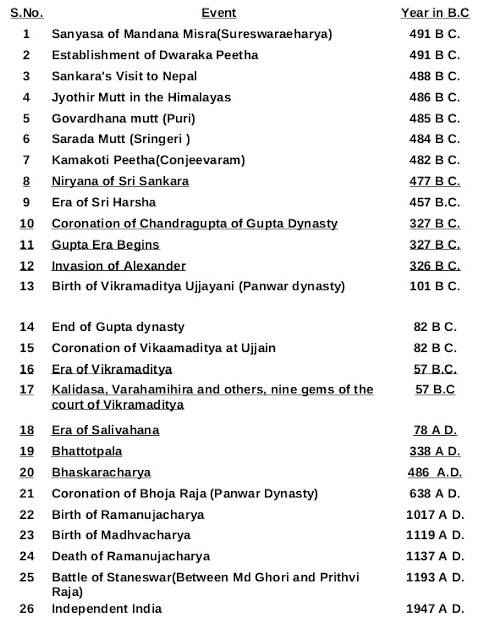
The Four Houses
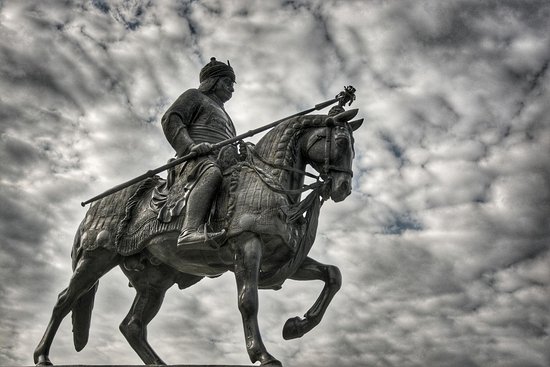
Paramaara, Prathihaara, Chahamaana, and Chaalukya. These are the 4 ancient Houses of the Agnivamsa who left brahminhood to become kshathriyas at the hallowed site of Mt.Abu.
Kshudraka (700 BCE)
Maalava, 457 BCE: Bharthrhari & Sriharsa Vikramaadithya
Mount Arbuda, 392 BCE: Great Agnivamsa Yajna
Ujjain, 57 BCE: Sankharaaja & Vikramaadithya
They form the core of the samudaya/community/caste known today as Rajput. While there are non-Agnivamsa clans among Rajputs, the 4 Agnikulas form the core today.
36 Rajput clans. Originally 22.
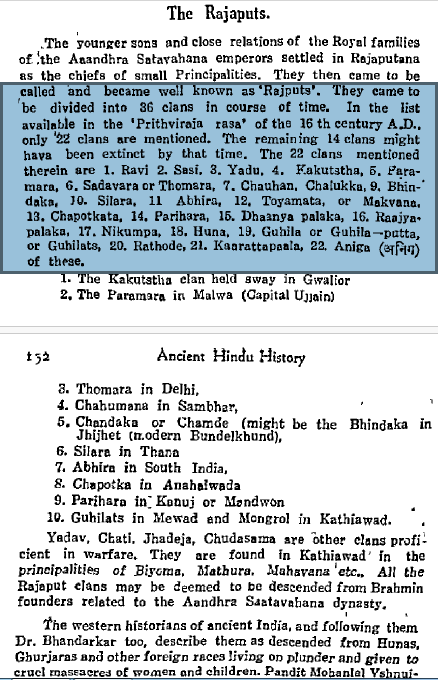
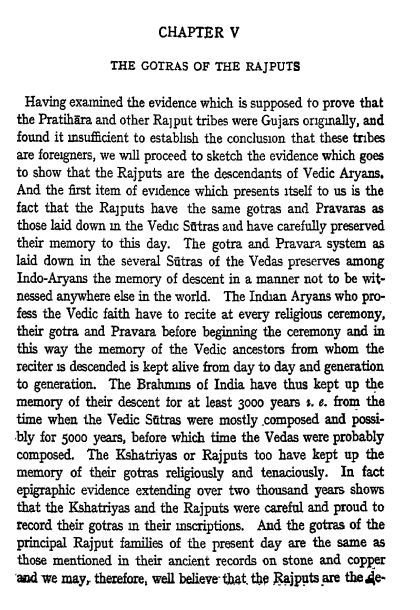
Here are their Gothras:
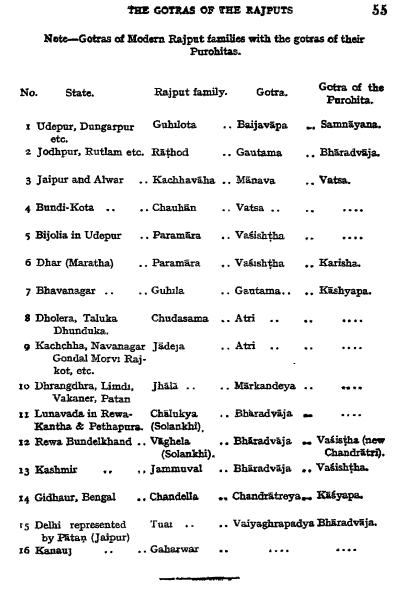
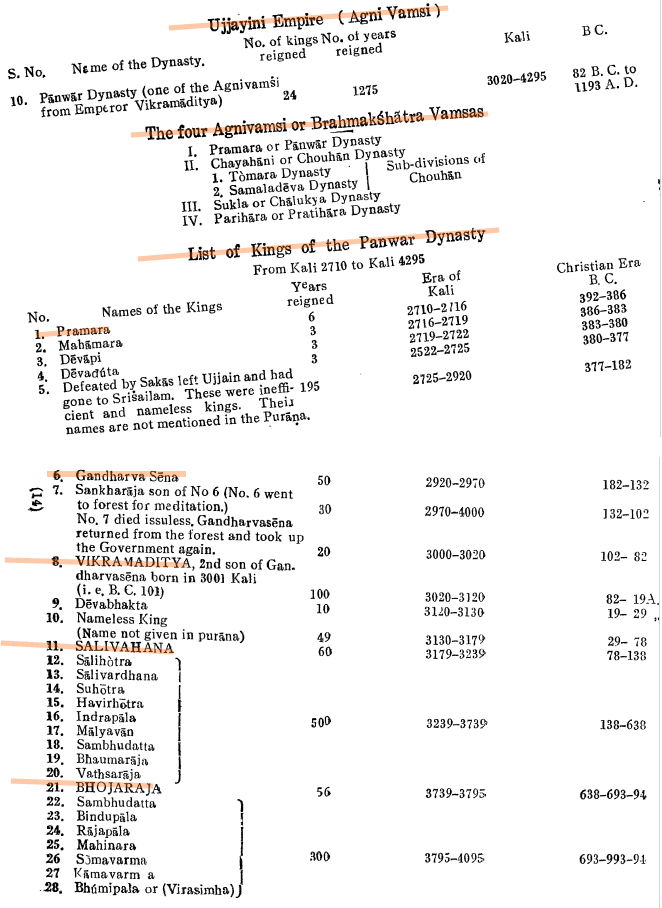
The Paramaara/Parmar/Panwar dynasty remains forever associated with the splendrous city of Ujjayini/Ujjain/Avanthika. This nagara on the Kshipra river is famed for both Kalidasa and Vikramaditya. And yet, neither are as legendary as they are made out to be. In actuality, the Paramaara dynasty left a firm imprint on this land.
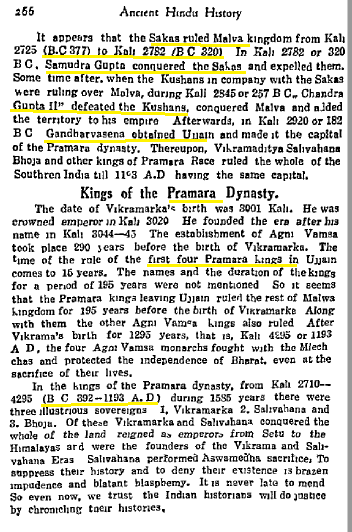
So then how did the Saakas return?
“The story is that the Jain saint Kaalaka was insulted by King Gardabhilla of Ujjain and persuaded the Sakas to invade Ujjain and avenge his wrong. Gardabhilla was thus overthrown, but some years later his son Vikramaaditya (‘Sun of Valour’) issued from Pratishthaana, repelled the invaders and founded an era in 57 B.C. to commemorate his victory. It is not improbable that these traditions have an historical basis connected with the history of the Andhras.” [6, 85]
This is confirmed by Jaina sources such as the Niseetha Churni, which asserts that the Saakas poured out of Persia to temporarily re-take Ujjain.
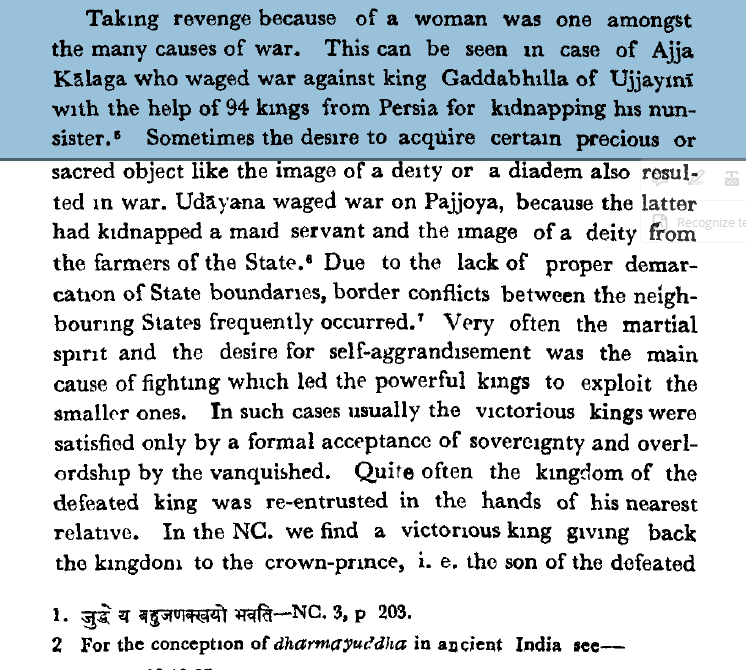
Many often question whether the Rajputs had “empires”. Well, one need look no further than the Parmars. Under Vikramaditya, this Agnikula would attain an all-India empire (conveniently labeled “legendary” by the british and their “sattvic” slaves). Modern Rajputs will have to ask themselves whether rather than claiming the Mauryas (sons of Sudra Nanda) or Shahis (called brahmanshahis for a reason) they should concentrate on what is undeniably theirs (Paramaara, Prathihaara, Chahamaana, and Chaalukya…along with Kalachuris, et al).
Chahamana
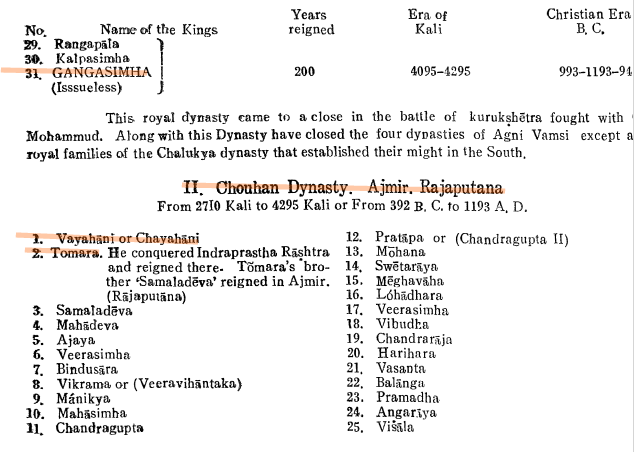
It is simultaneously as tragic a tale as the man himself that Chahamaana Prithviraaja remains the best-known “historical” medieval king. Indeed, it is probably by design so that bureaucratic casteist slaves of foreigners could cast Rajputs as “defeat specialists”. In reality, there were centuries of victory that preceded Prithviraj Chauhan, and even preceded his overly well-known defeat at Tarain in 1192 CE. The great Chauhan Kingdom of Ajmer (Ajayameru) had defeated Shitabuddin Ghori at Tarain itself in 1191—under the field commandership of Govindaraaja Tomar, of Delhi. But history being written by the victors means we only remember the 2nd battle, and that too conveniently skip over the part where Ghori relied on deception. He apparently saw that Prithviraj was even better equipped with an army of 200,000 and pretended to sue for peace, humbly requesting a treaty. The result was premature celebration in the Rajput camp, followed by a pre-dawn night attack by the Thurushkas. That is how the battle for Delhi was won. [7]
Achara Yuddha, War of Good Conduct, is appropriate among fellow Rajputs or fellow Vaidikas. But when faced with an enemy that violates all the laws of war—and freely violates women and children, then it becomes incumbent upon Commanders of Armies and Societies (Raajanyas and Kshathriyas) to adapt to the current war, rather than fight the previous one.
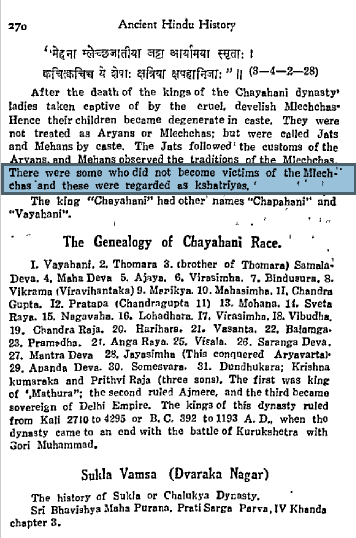
Dharma Yuddha is ‘War to restore Dharma’. As Sri Krishna showed, it anticipates the rise of Total War in the Kali Yuga, and exhorts Dharmic Kshathriyas and their mixed-caste manthris to adjust accordingly. In fairness, many kings did attempt to adapt. Deva Raya II of Vijayanagara did an overall assessment of his military, and made changes. Maharana Pratap wisely switched to guerrilla tactics in the lead up to and aftermath of Haldigati. Arguably, Shivaji Raje took note of Mewar’s example and took the change in strategy to the logical conclusion: Ganimi Kava. Since Turkic and Mughal armies specialised in lightning raids, looting, & scorched earth, Bhonsle armies would do the same and counter-raid. So it does no one any good to mock the Maraatthas as ‘lootera’, when that is precisely what the Turkic enemy was doing. However, Rajputs are correct that the Maraattha military approach under the Peshwai was openly and obviously predatory—and did not deserve the same praise.
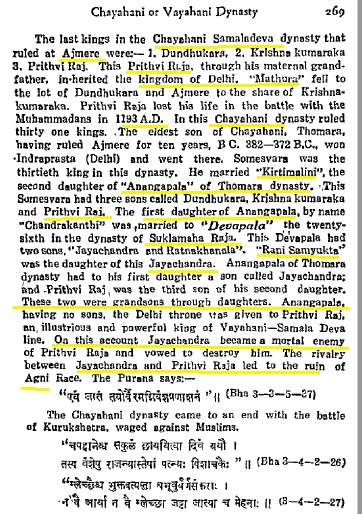
The second controversy is whether Raaja Jayachandra Gahadvala was in fact a “Jaichand” (i.e. traitor). This eponymous epithet is perhaps unfair to what was arguably the most powerful king in India at the time. However, the puraanas are clear that the rivalry between rajputs Prithviraaj Chauhan and Jaichand Gahawar was indeed ruinous to northern India. There is a lesson in there to all Dharmikas that there is a time to put aside petty rivalries to at least temporarily fight side-by-side. “I hate you, you hate me, but we both should hate that guy even more”.
Rivalry of Jaichand Gahadvala and Prithviraj Chauhan led to the ruin of Agnikulas.
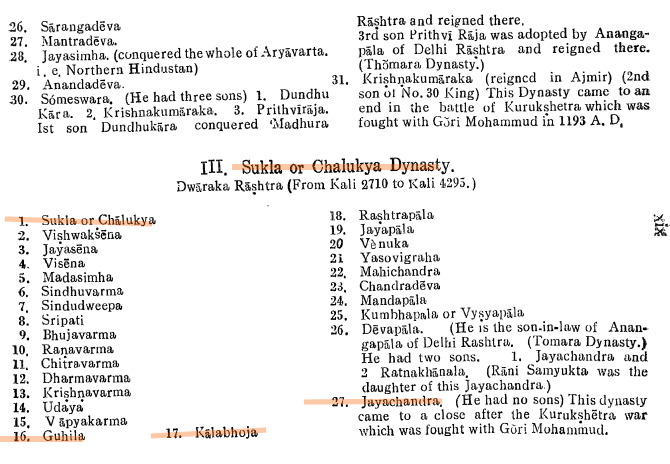
The Chalukya dynasty is mostly famed as Southern Indian one. In reality, its roots are ultimately traced to the self-same Mt. Arbuda.
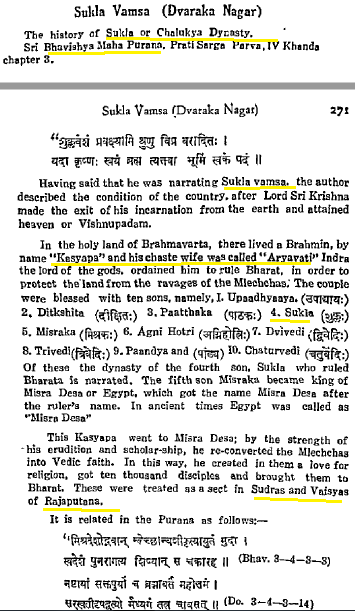
The origin of the name goes back to Sukla, hence the more common Solanki appellation in Gujarat. The attempt to distinguish between Chaulukya and Chaalukya is ultimately silly as both ultimately hail from the same lineage.
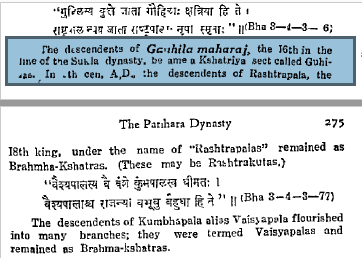
This of course is all the more important given the association of the Chaalukyas with the Guhilas. The mighty Sisodias are an offshoot of the Guhilots who themselves are offshoots of the Chaalukyas—per Pauranic history.
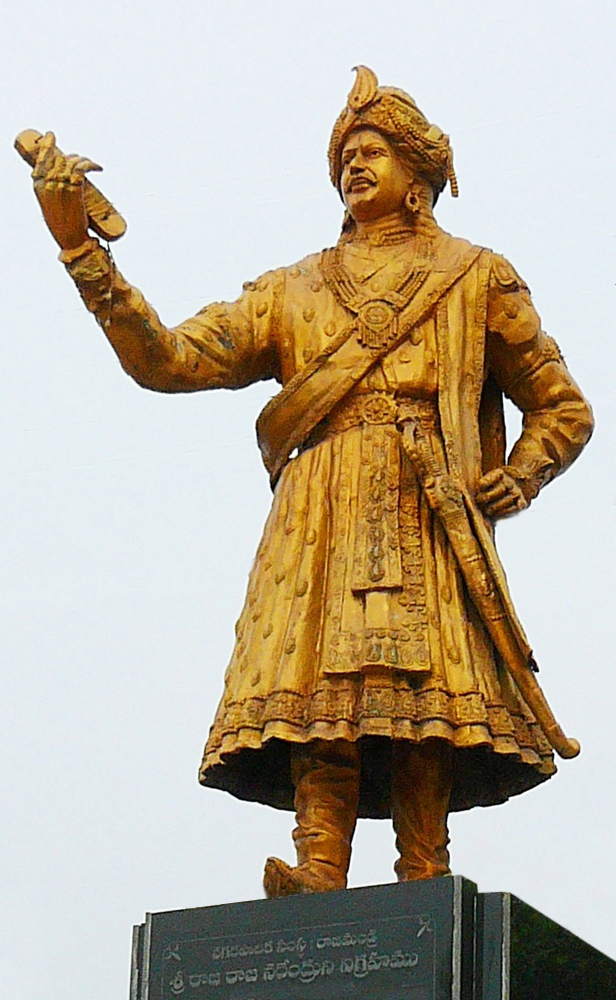
Pratihara
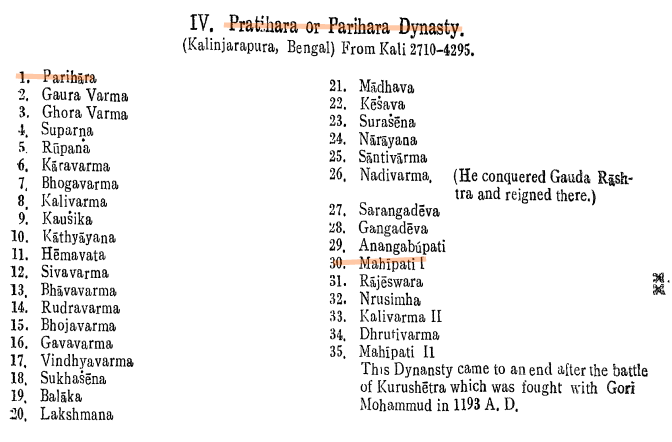
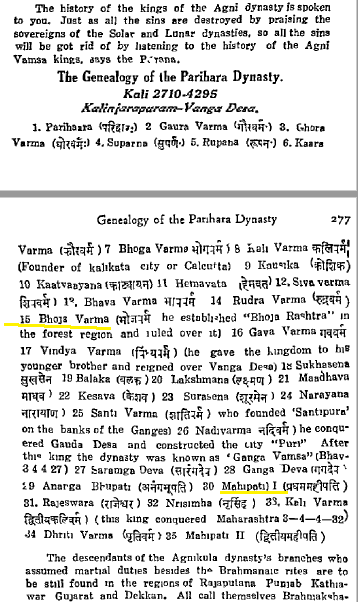
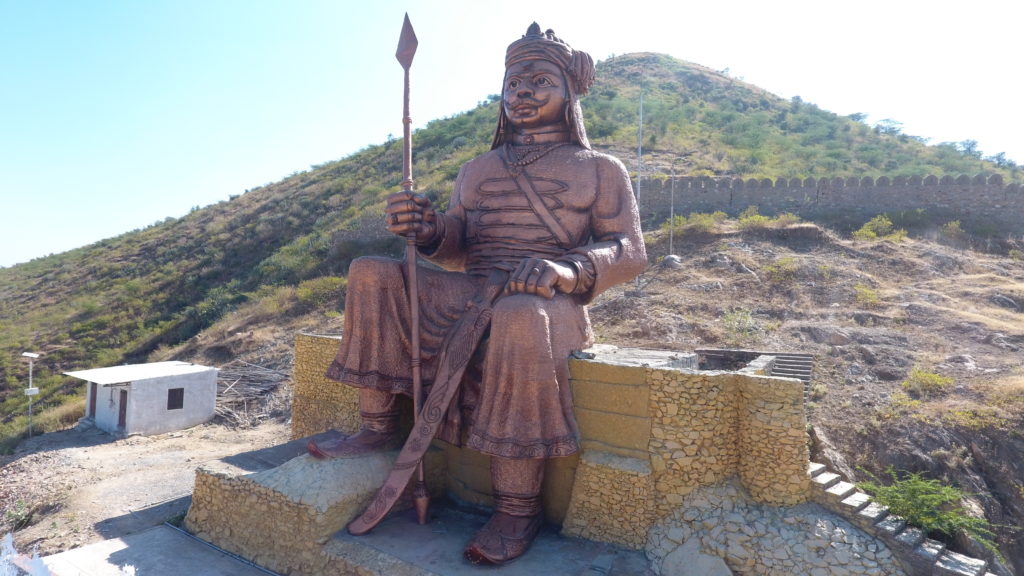
The Pratiharas have a famed name in the annals of Indic History, particularly among milhist enthusiasts. From the Battles of Rajasthan to their wars with the Imperial Palas and Rashtrakutas, the glory of these Agnivamsa Kshathriyas is only just beginning spread in fame.

Though they were ultimately defeated by the Rashtrakutas in the war for subcontinental paramountcy, the Prathihaaras will forever by celebrated for their defeat of the Abbassid caliphate at its very peak (with contributions from the Kannada Chalukyas in the South).
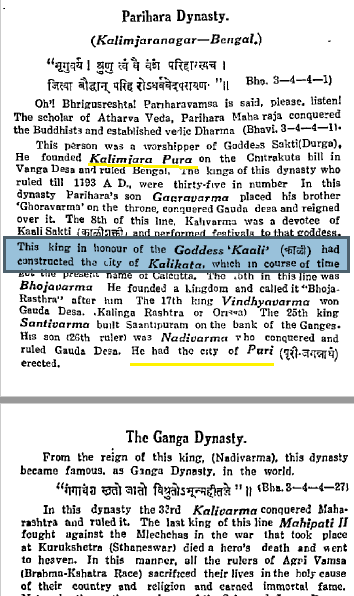
It has been difficult to cross-reference and cross-validate the various names in the King lists, but the names Nagabhata I and Nagabhata II (along with Mihir Bhoja) are vaunted.
Conclusion
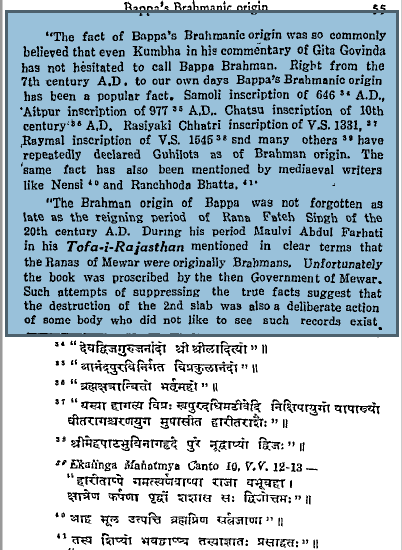
Many today might argue that to advocate for the existence of Brahma-Kshatra is to dilute the Kshathriyatha of modern Rajputs (& allied communities, such as Thakurs, Raghuvanshis, etc). Others circulate a more recent cope that “Agnivamsa are a branch of Suryavamsa” based on some stray inscription vs the entire Pauranic corpus, Kumbhalgarh inscription, Gita Govinda, etc. But this is incorrect, because even Brahmins have kshatriya origin lineages (Vishvamitra/Kaushika and Maudgalya). No one today would dare question the Brahmin credentials of those lineages—and neither should the Kshathriya credentials of Agnivamsa be questioned today. Agnivansh or Suryavansh…kshatriya is kshatriya.
Agnivamsa stands today as the most illustrious of all the Kshathriya Mahavamsas for the simple reason that it produced the ‘Sun of Valour’—the mighty Emperor Paramaara Vikramaadhithya. He was the descendant of the first Paramara ruler of Avanti (Adab Panwar) and great grandfather of Agnivamsa Kshathriya/Rajput Salivahana. They utterly crushed the power of the Saakas, reducing them to a non-entity in Indian political affairs—Scythian descendants in turn became serfs and peasants of Hindu Kings.
Rather than see William Jones and his ilk as the faithful founders of this field, it is time to turn back to our Pauranic Chronology and understand the depth of intellectual violence that has been wreaked by John Company, and its native informant “high iq types”.
The only thing more shameless than the scumbags who facilitated this travesty are the clowns who lavish encomiums upon them as though some mere bureaucrat was more of a saviour than our raajas and senapathis. In contrast, true braahmanas like Pandit Chelam (whatever be their orthodox practices) had nothing but choice words for such “Rao Bahadurs” as he termed them such as P.V.Kane (one of the fathers of the “dharmasaastra says ‘beef in Vedas'”lie). The sooner these far too numerous frauds and fake braahmins are called out for their fake caste certificates and cast out of orthodox Vedic society the better. They have allied with every foreign invader worth the name since the days of the Persians and Turkics (as Raghav Chetan did). It is time they were recognised for what they were and be told to remove themselves across the Indus, or at the very least, cease to involve themselves in Vedic matters which are beyond their ken. We conclude with a quote from a recent commentator to bring things full circle:
//Vishwamitra, Ajamidha and Puramidha, Mudgala, Vishnuvardhana and Harita; all these are Kshatriyas who created Brahman clan. Yavanas assimilated into Brahmins of Deccan & Kathiawad. Abhiras assimilated into Brahmins of Khandesh, GJ & RJ. Magha Persians assimilated into Brahmins.Gurjar tribe assimilated into Brahmins.//
If that allegation is indeed true, then we may in fact have more of a caste crisis on our hands than mere private sector reservations. As shown by Acharya Kapila, a product of assimilation or inter-national union might be Soodhra, but the top 2 Varnas have ritual responsibilities that make such matches inadvisable for them—certainly involving full membership. And yet the biggest voices for jatiwad are the biggest proponents (and practicioners) of such arrangements. One wonders why. Jaathivaadha is not Varnashrama Dharma and is not even dharmic. The correct equivalent for ‘caste’ is not ‘jati‘ but ‘samudaya/samooha’, this is because different castes are not different species (unless they are Asura worshipping Yavana pandit mlecchas, in which case they very well might be, and should see themselves out of our society).
Maharishi Vishvamitra did tremendous tapas and became a brahmarshi, creating a kshathra-braahmana lineage, and the Suklas, Paramaaras, Prathihaars, and Chahamanas created brahma-kshathra lineages. This is because people who are members of the same janatha (nation) might observe class/varna differences, but will always prefer intra-ethnic over inter-ethnic.
Vikarmastha vaidikas have been hiding behind jaathivaadha and chaanakyaniti purposefully occluding how both actually violate varnashrama dharma. Unlike the noble brahmana progenitors of the Agnivamsa, these vikarmasthas avoid initiating as Kshathriyas so that they may have their cake and eat it too (i.e. protection from mrthyudhand despite being ministers). What’s worse, they attempt to use the position of “Rajguru” (itself a Kautilyan invention, when Kulacharya and Purohitha are the proper positions) as a means of suborning kings and imposing themselves (and their relatives) on the administration and ministries as monopoly (currently going on today in secretary level positions and generalships). Referring to obvious tribal-nepotism as “merit” will only be tolerated by the rest of society for so long. Kalhana, a born Kashmiri brahmin, himself complained of this. These fraud “rajgurus” are currently corrupting “rajdharma” and under phirangi “reeshees” as we speak, and are naught but hethukas, bakavrtthins,and dambhins.
Ironically, these Baidaalavrathikas are themselves ineligible as they come from inter-national origins all while braying against inter-caste because according to these pashus, different jaathis are apparently different species…imagine the gall, bile, and bigotry in those bilious fake “Brahmins” who claim to come from Persia and Scythia. It is these wretches who put bullseyes on the backs of innocent Braahamanas merely minding their own business trying to survive in a 70% reservations system.
It is long past due for middle class Brahmins to separate themselves from these elite frauds who demand caste unity while selling out their alleged “caste brothers” when SJW’s are mobilised. Varnasamkara is considered adharma. But even as per Manu, there are gradations (i.e. anuloma & prathiloma) and both are considerd preferable to janatha-samkara (of which these bureaucratic kapalikacharyas are guilty, and bahishkar-eligible). They whine about varna-dhroham (an imaginary offence) all whilst committing raaja-dhroham and dharma-dhroham…but what more can one expect from actual raavan-bhakths?
As one can see with the history of the Agnivamsa, the different Varnas have more in common with each other than 1 varna has with Yavan Pandit Mlecchas—or Neo-nobilis. That is what makes a nation (janatha), which is what Vaidikaaryas were and are. It is long past due for new community/samuday leaders to rise up and push back against Asuras and Rakshasas, born in whatever caste. That is the ultimate message not only of the Mahabhaaratha, or Rajadharma, but the Agnivamsa and Kshathriyatha itself.

References:
- Kota, Venkatachalam Paakayaji (Pandith). Chronology of Ancient Hindu History Part I. Vijayawada:AVG
- Kota, Venkatachalam Paakayaji (Pandith). Chronology of Ancient Hindu History Part I. Vijayawada:AVG
- Kota, Venkatachalam Paakayaji (Pandith). The Plot in Indian Chronology.Vijayawada: Arya Vijnana. 1953
- Krishnamachariar, M. History of Classical Sanskrit Literature. Delhi: MLBD. 2016
- Vaidya, C.V. History of Medieaval Hindu India II. New Delhi: Cosmo Publications.1924
- Sastri, K.A.Nilakantha. A History of South India. New Delhi: Oxford. 2015
- Keay, John. India: A History.New York: Grove Publications.2000
![[Reprint Post] Culture: The Cure for Stupidity](https://indicportal.org/wp-content/uploads/2016/01/3085064-Wendell-Pierce-Quote-The-role-of-culture-is-that-it-s-the-form-150x150.jpg)
![[Reprint Post] Origins of Indian Stupidity](https://indicportal.org/wp-content/uploads/2015/08/originsofstupidity-150x150.jpg)
Veer Bhogya Vasundhara!
I definitely have some further questions, but what I love about this article is how it dismantles the terrible theories expounded by casteist people (who themselves are lost in their own illusions)
As said in the article, whats important is that Rajputs (the ruling class of Bharat) have their ancestral origins in Bharat, and are not outsiders.
Lineage does matter, and no one should take anything away from the Rajputs. I being a Rajput myself have criticized Rajputs many times, as nation comes first. But no one can take away from the fact, that Rajputs have always been at the forefront at protecting the nation from Videshis. And the chivalrous character of Rajputs is well known to all.
But Lineage is not everything, and Bharatheeyas need to realize that “blood lineage” is not everything. As long as we are from the lineage of the “Arya Bharatheeyas”, we are a family.
The Bheels viewed Rana Pratap as their own son, and Rana Pratap drew inspiration from them. Rana Pratap may have not been as closely, blood related to them like with other Rajputs, but being his fellow Arya Bharatheeya Dharmiks, he could draw inspiration from them, which continued in his descendants.
So in one way we can say, Rana Pratap is truly the son of the Bheels, if not by direct blood, then by spirit, as their persistence in guerilla warfare continued to inspire later Ranas like Rana Amar Singh and Rana Raj Singh. And this inspiration was only possible because of the loving spirit between both communities.
This is not to justify what fake dharmiks are doing, and justify breaches of varnashrama dharma on the basis of “Chanakya”, as has been discussed before, but to show that as Bharatheeyas we are all interconnected.
And as said before, regardless, Rajputs are Kshatriyas, and I do not mean this is a boastful way, but no one can deny that since 392 BC, the sacrifices Rajputs have made for their beloved mother, Bharat Mata.
Even now, taking bad apples like Manish Sisodia aside, the Rajput community continues to produce stellar leaders who always put nation first, but are often stifled by Raghav Chetans. General VK Singh ji, CDS Bipin Rawat Ji, CDS Anil Chauhan ji, Yogi ji, Rajnath Singh ji are some prime examples.
Whether Rajputs are 100% the descendants of ancient Kshatriyas matter less, what actually matter now is that seeing so many innocents suffer for no fault of their own is no doubt making Bhagavan sad, and its high time that Rajputs find the spirit of Shri Ram and Shri Krishna that live in hearts of all true (and blessed) Rajputs and do the needful.
Raja Ramchandra Ki Jai!